 DistroyBoy
 SpringBoy
 BucketBoy
 DeltaBoyz
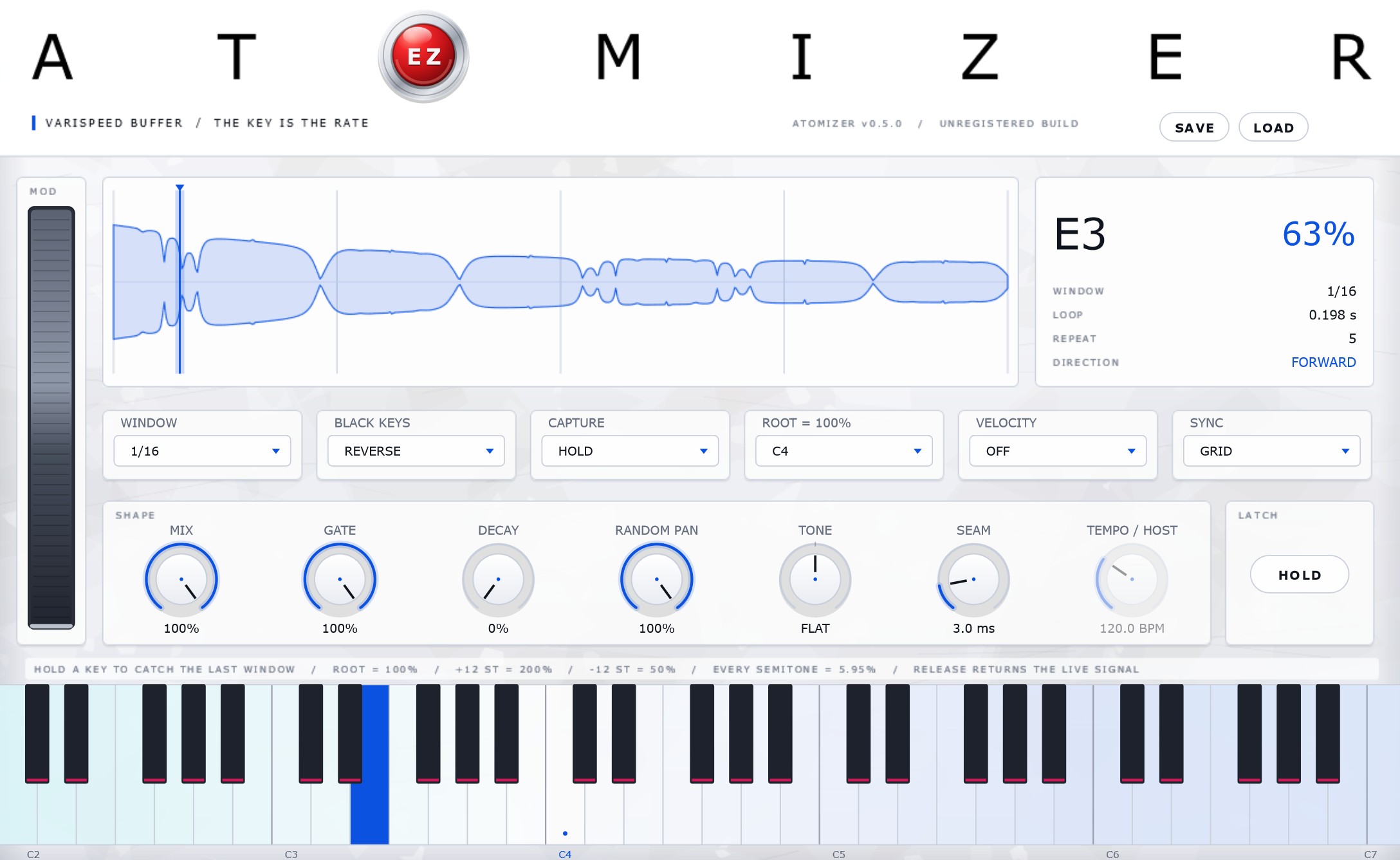 Atomizer
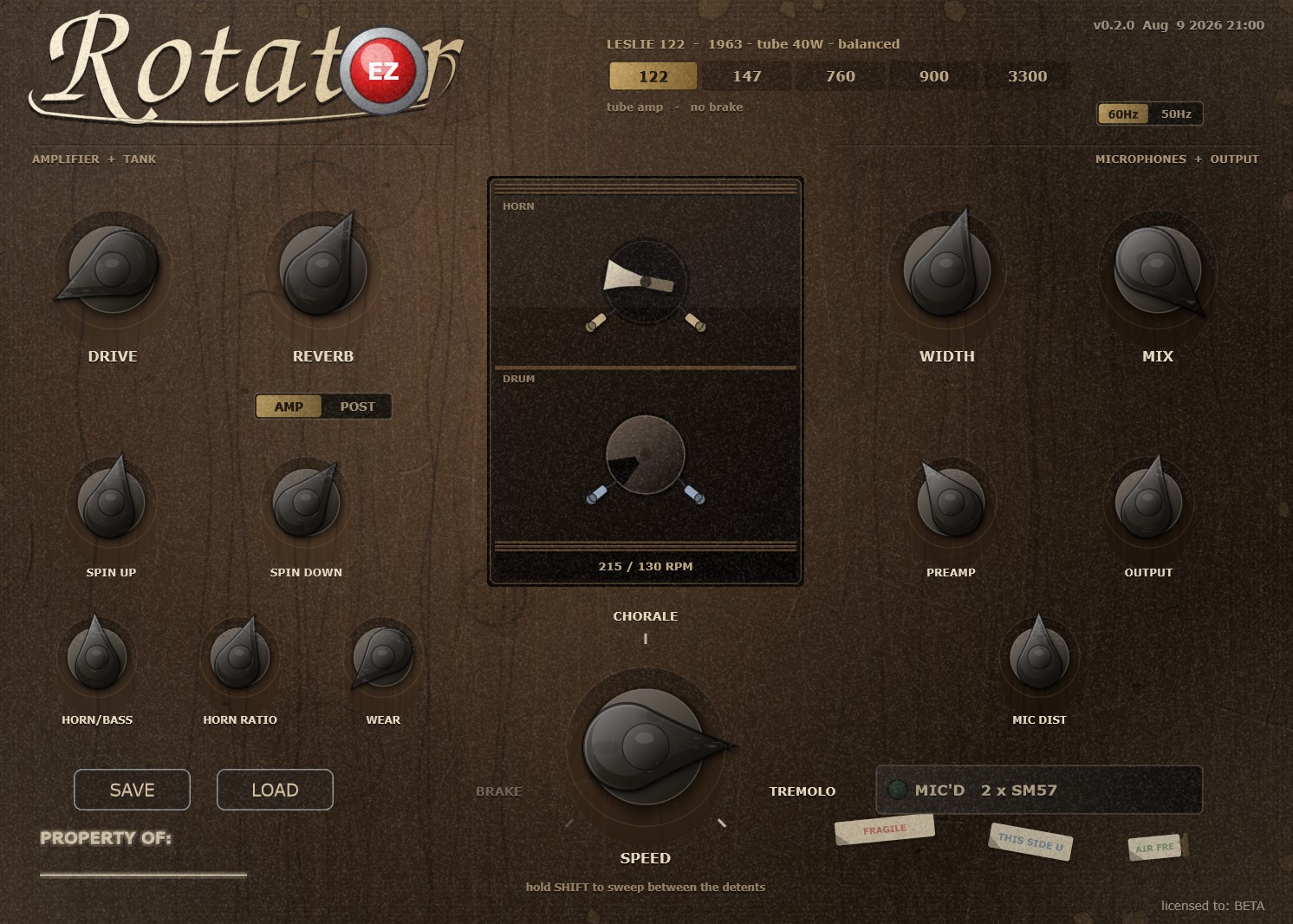 Rotator
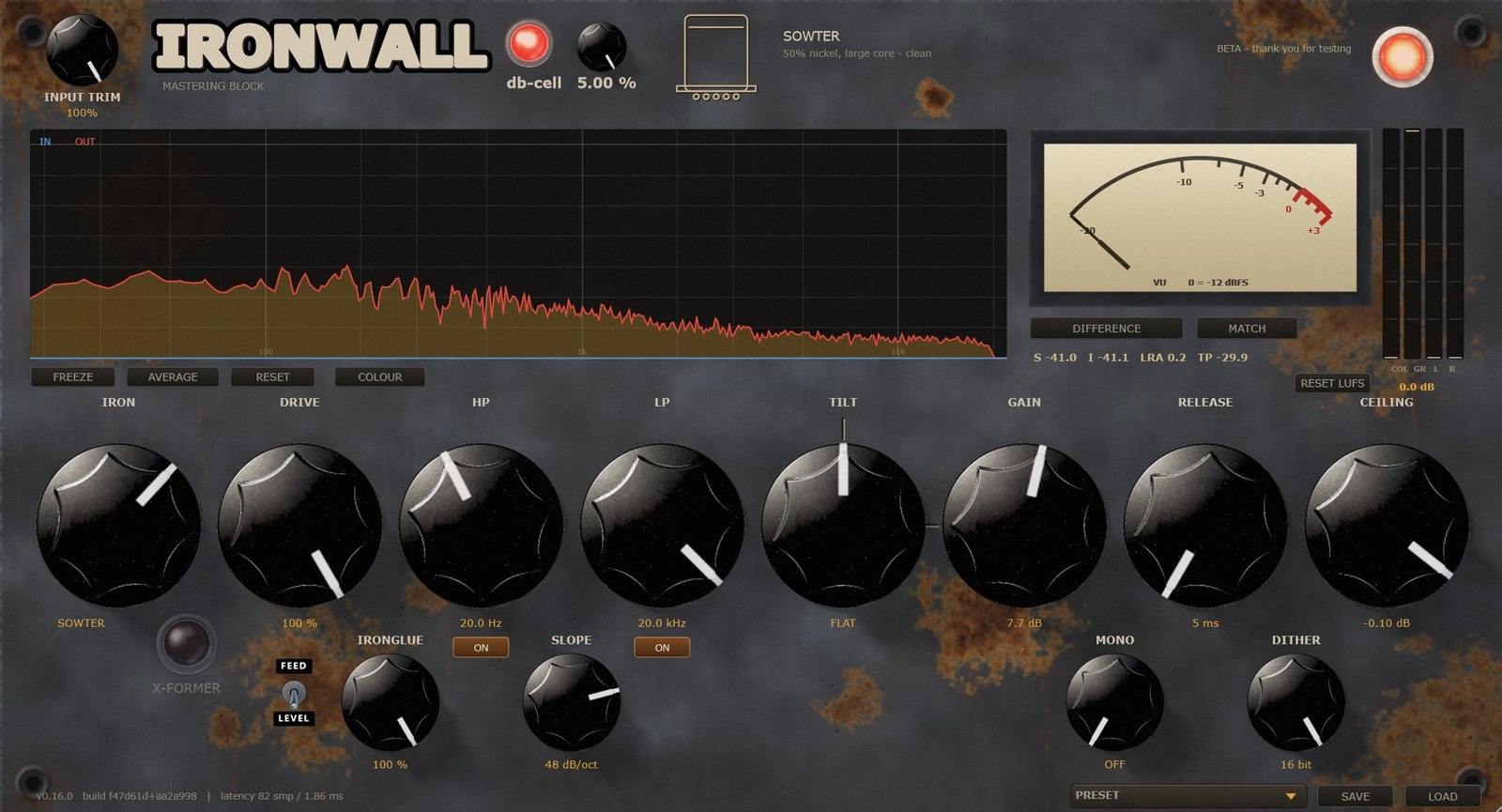 Ironwall
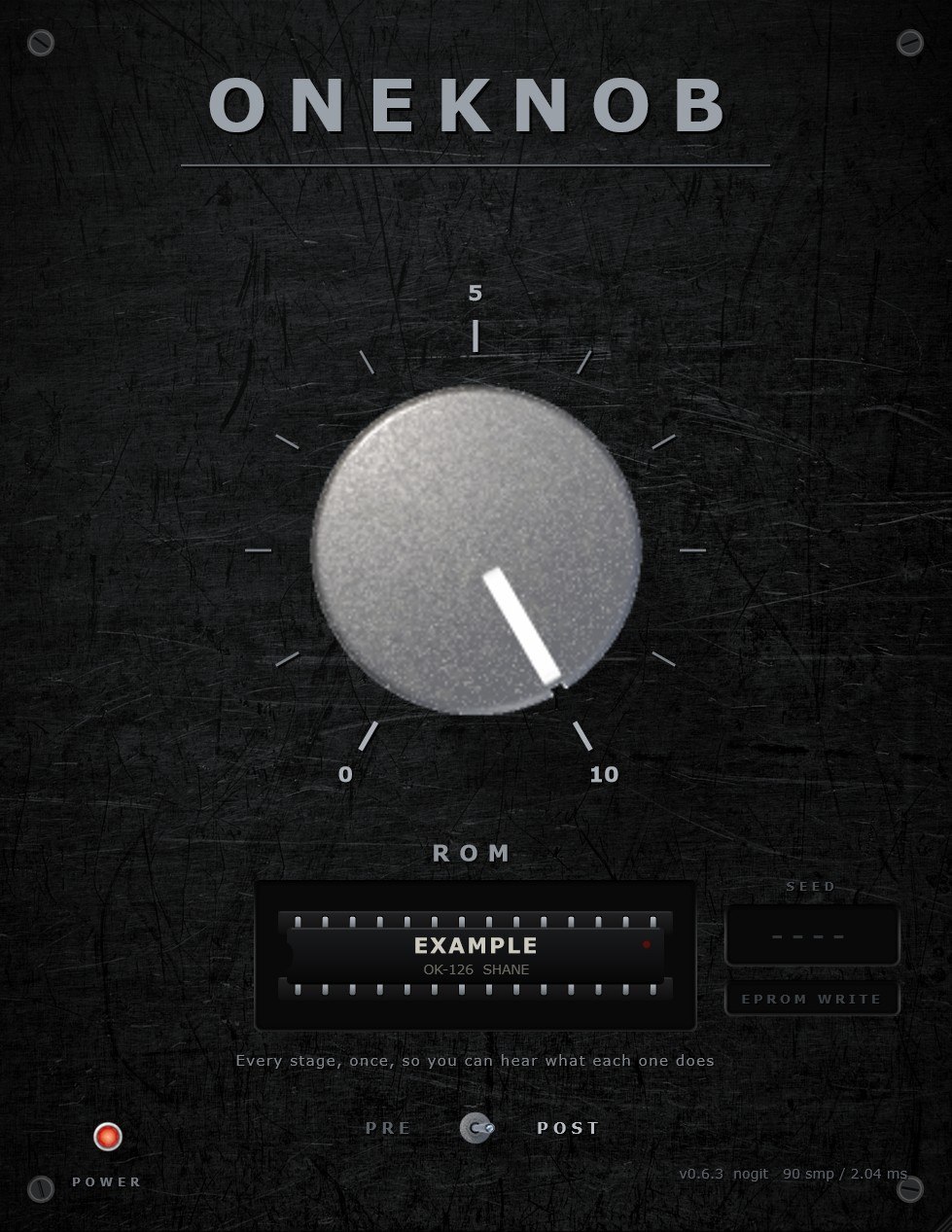 OneKnob
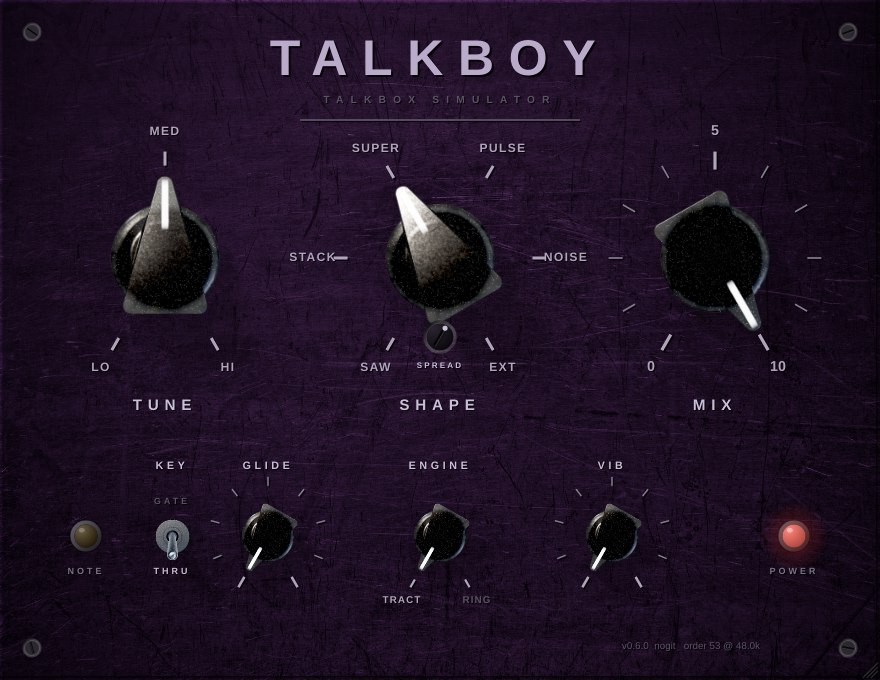 TalkBoy
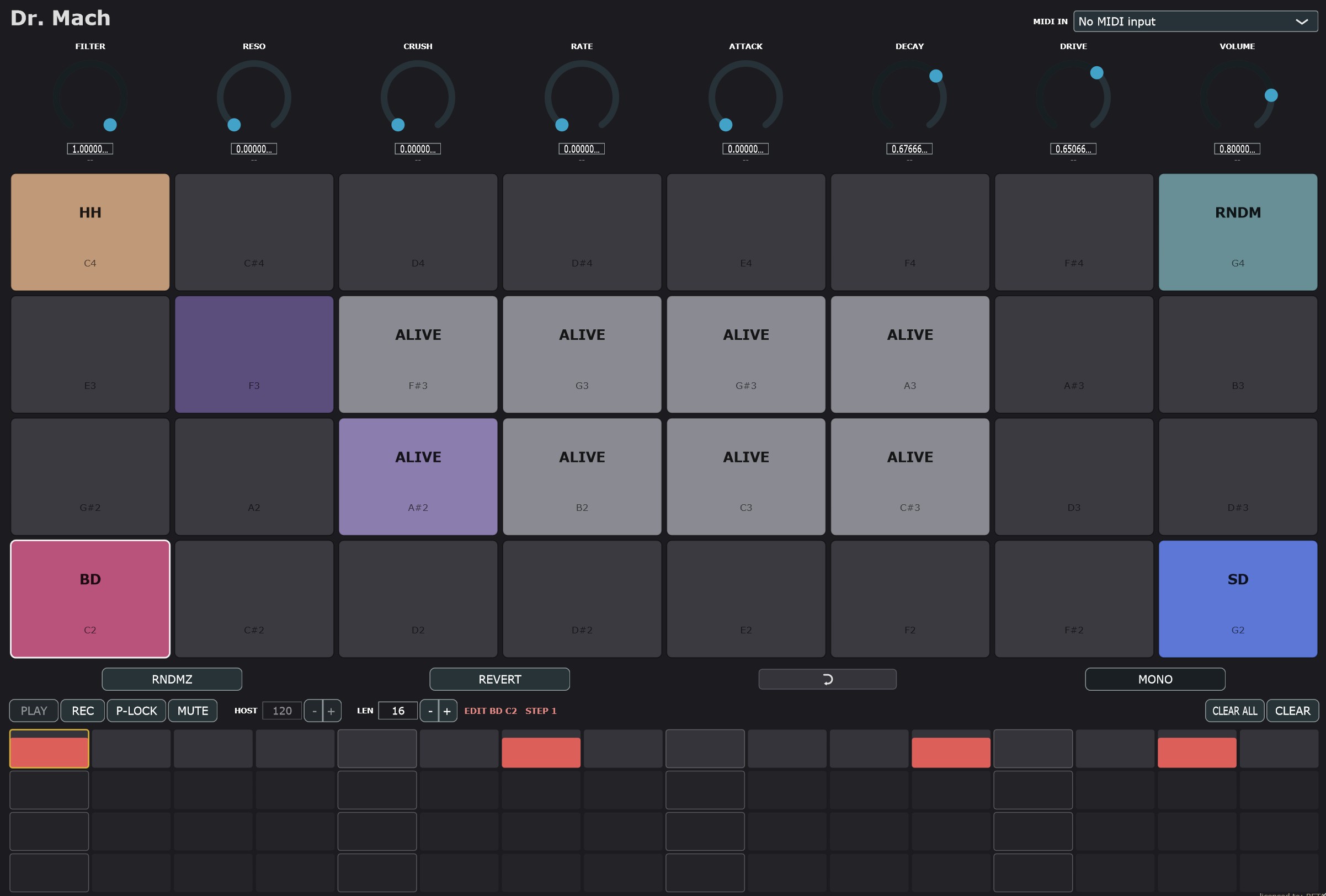 Dr. Mach
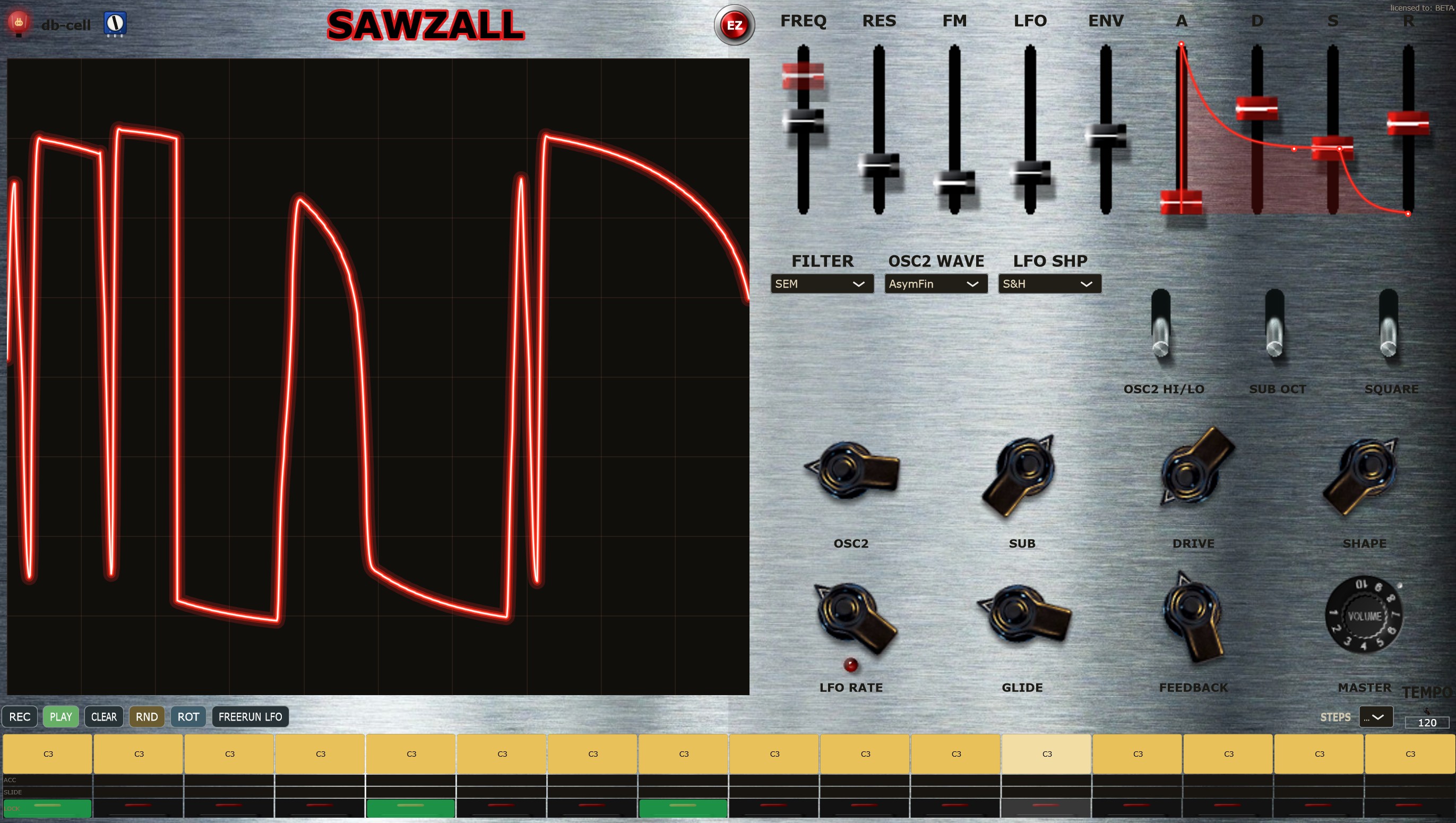 Sawzall
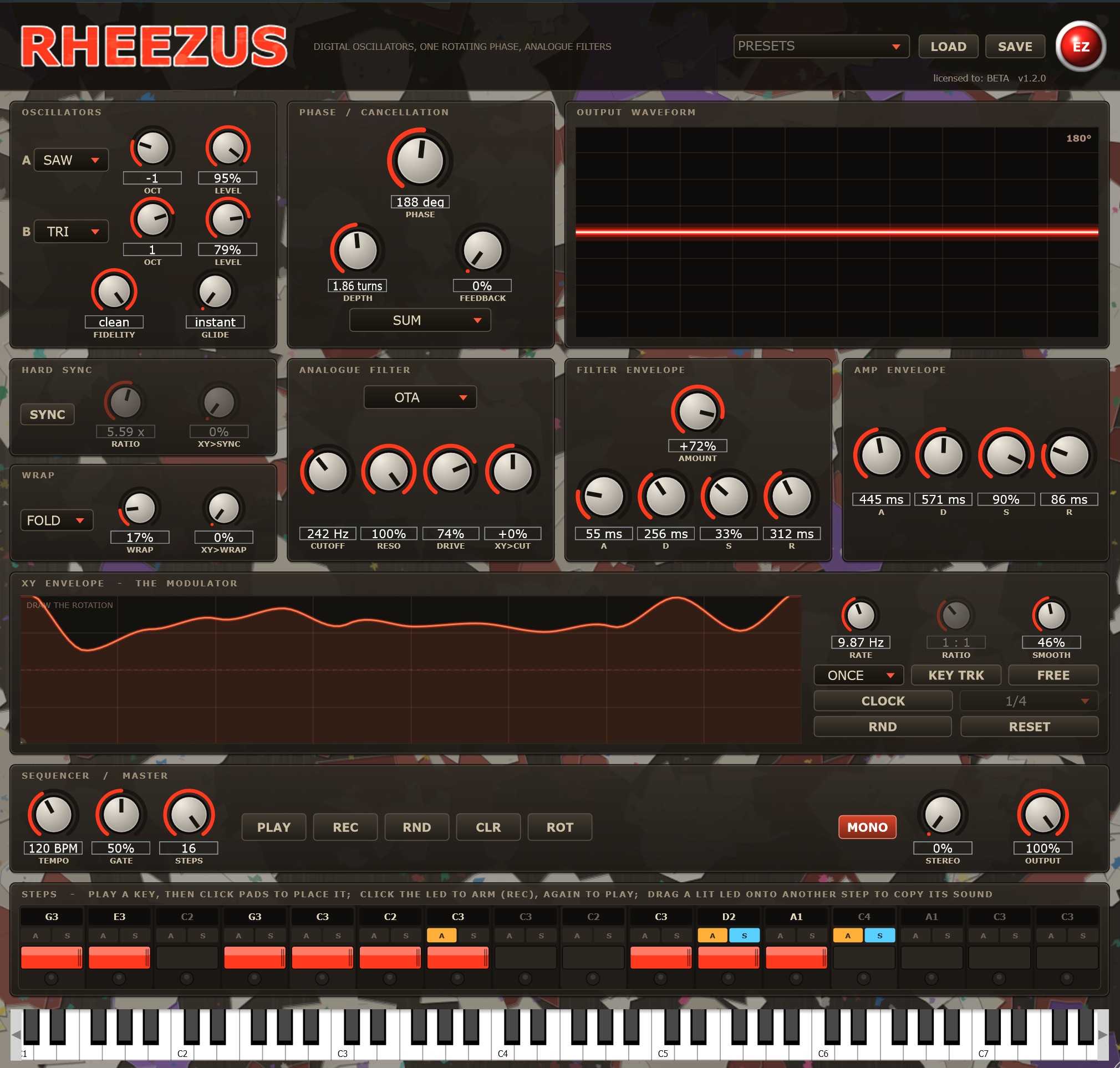 RHEEZUS
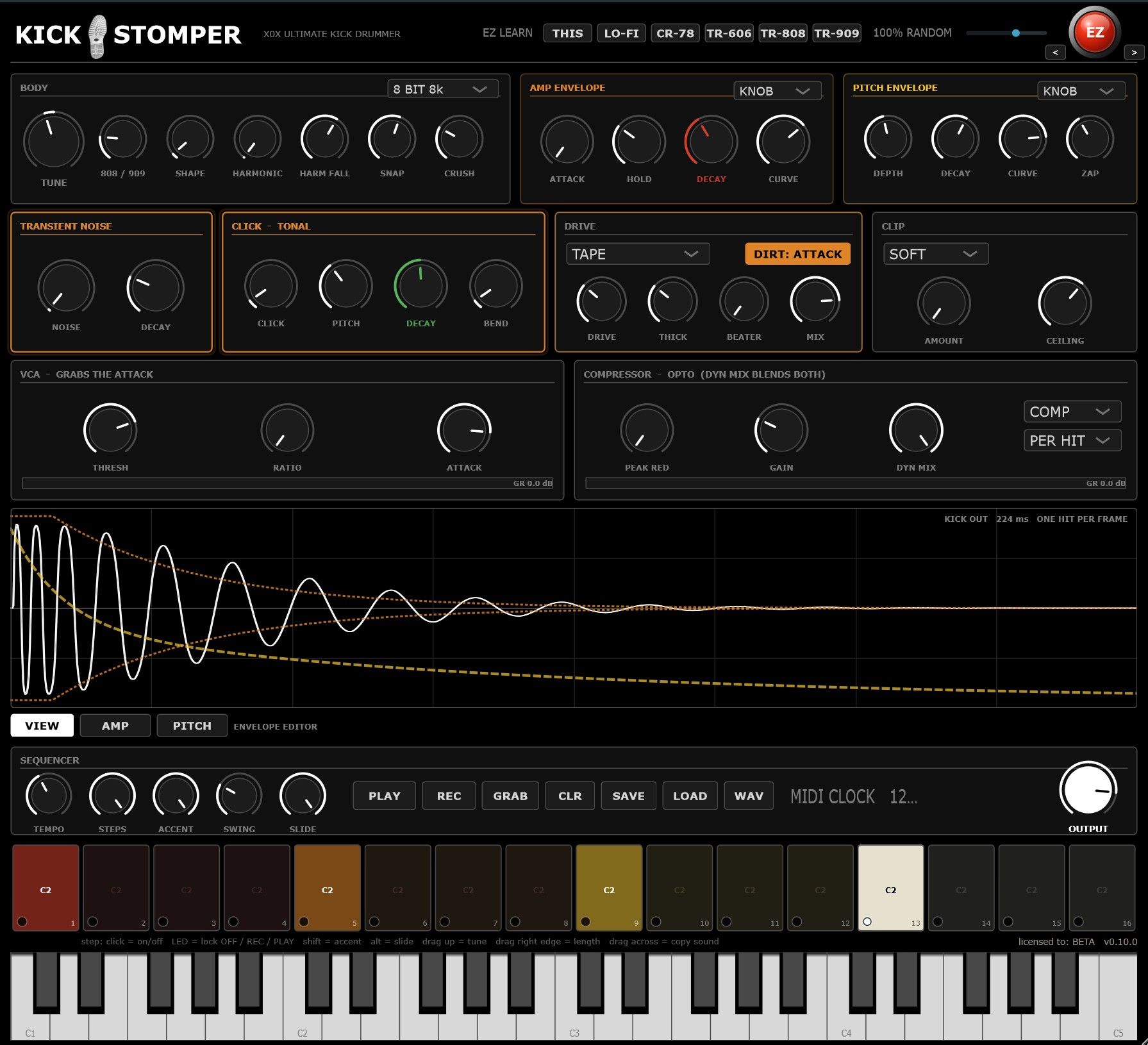 KickStomper
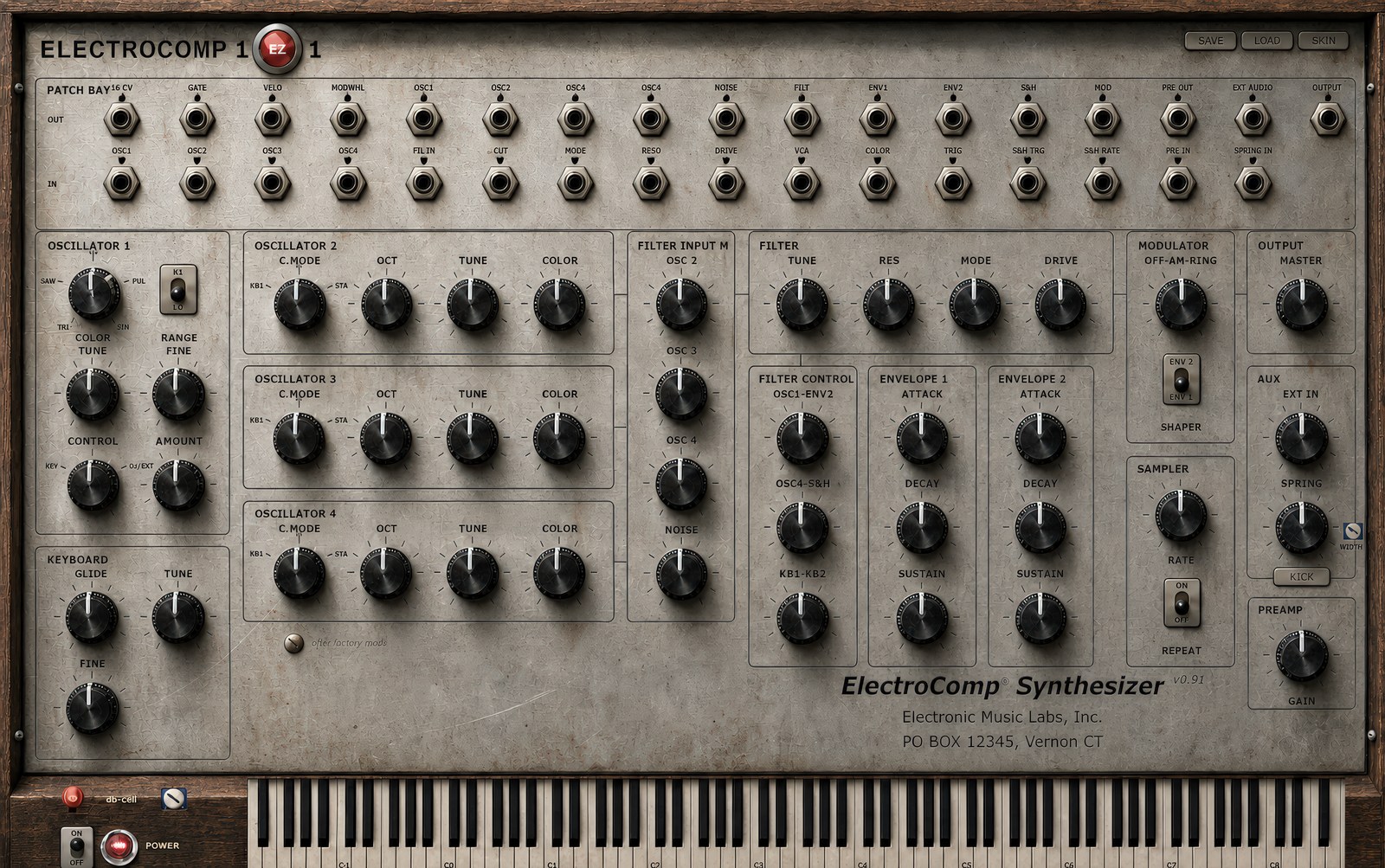 ElectroComp
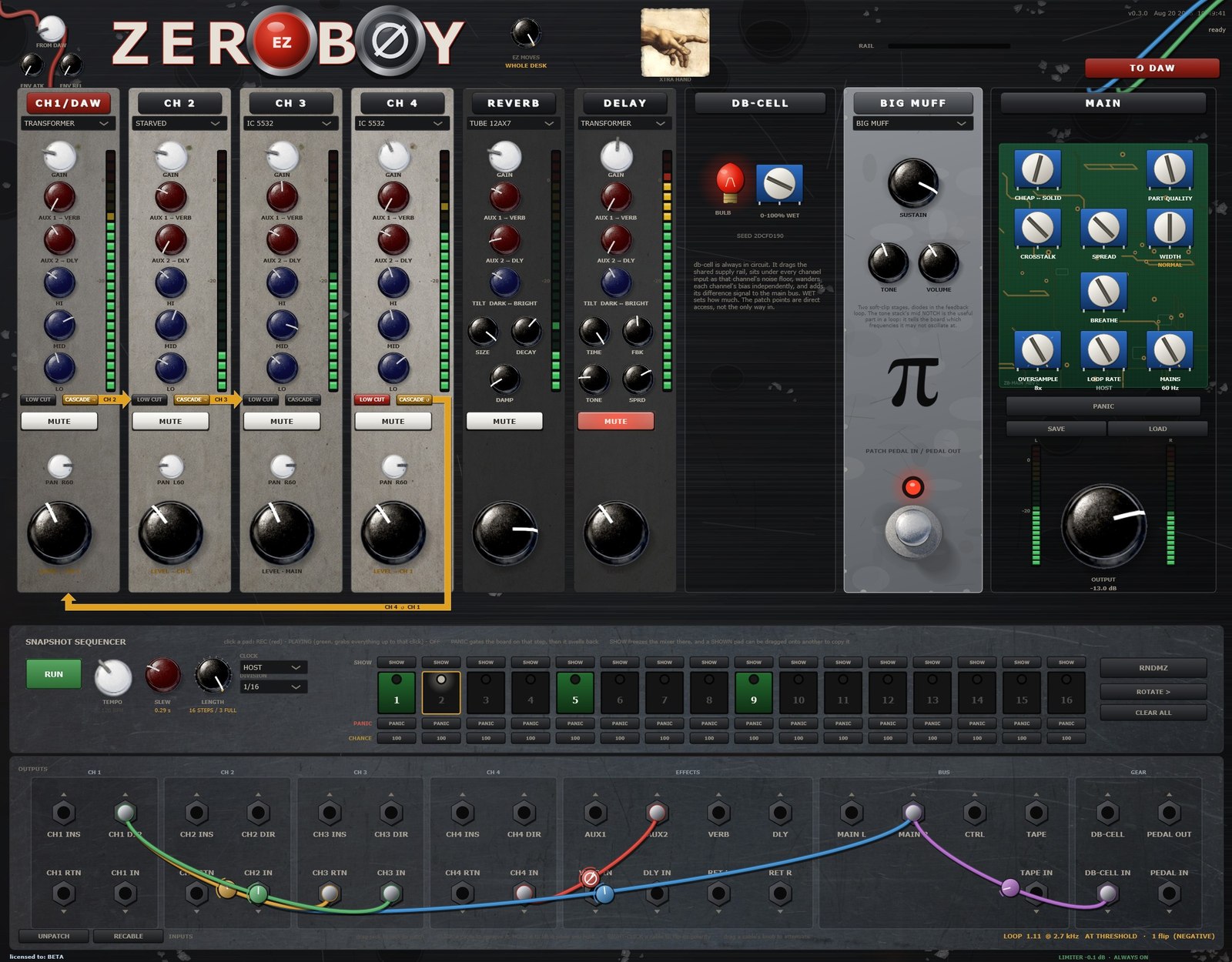 ZeroBoy
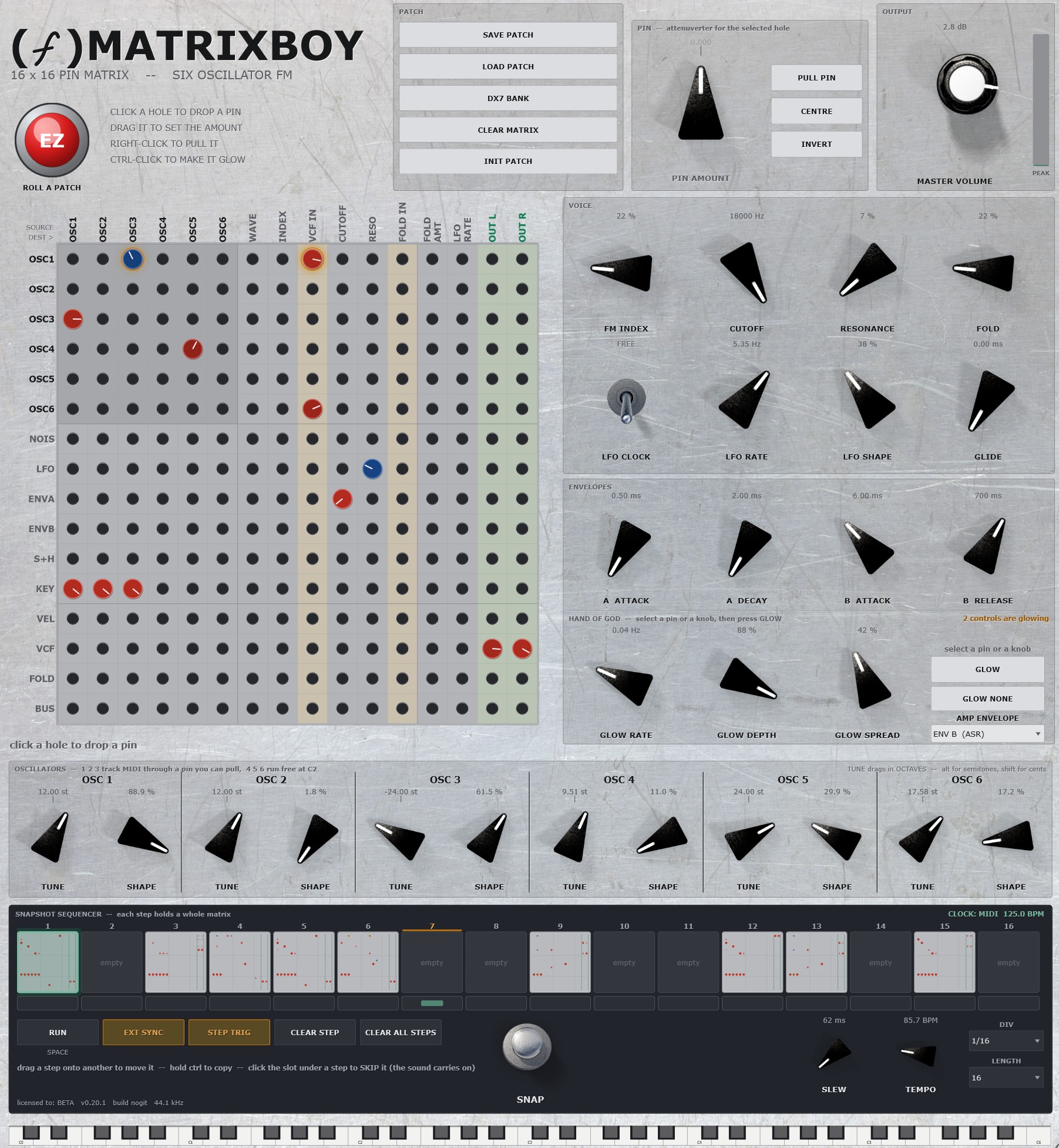 (F)MatrixBoy
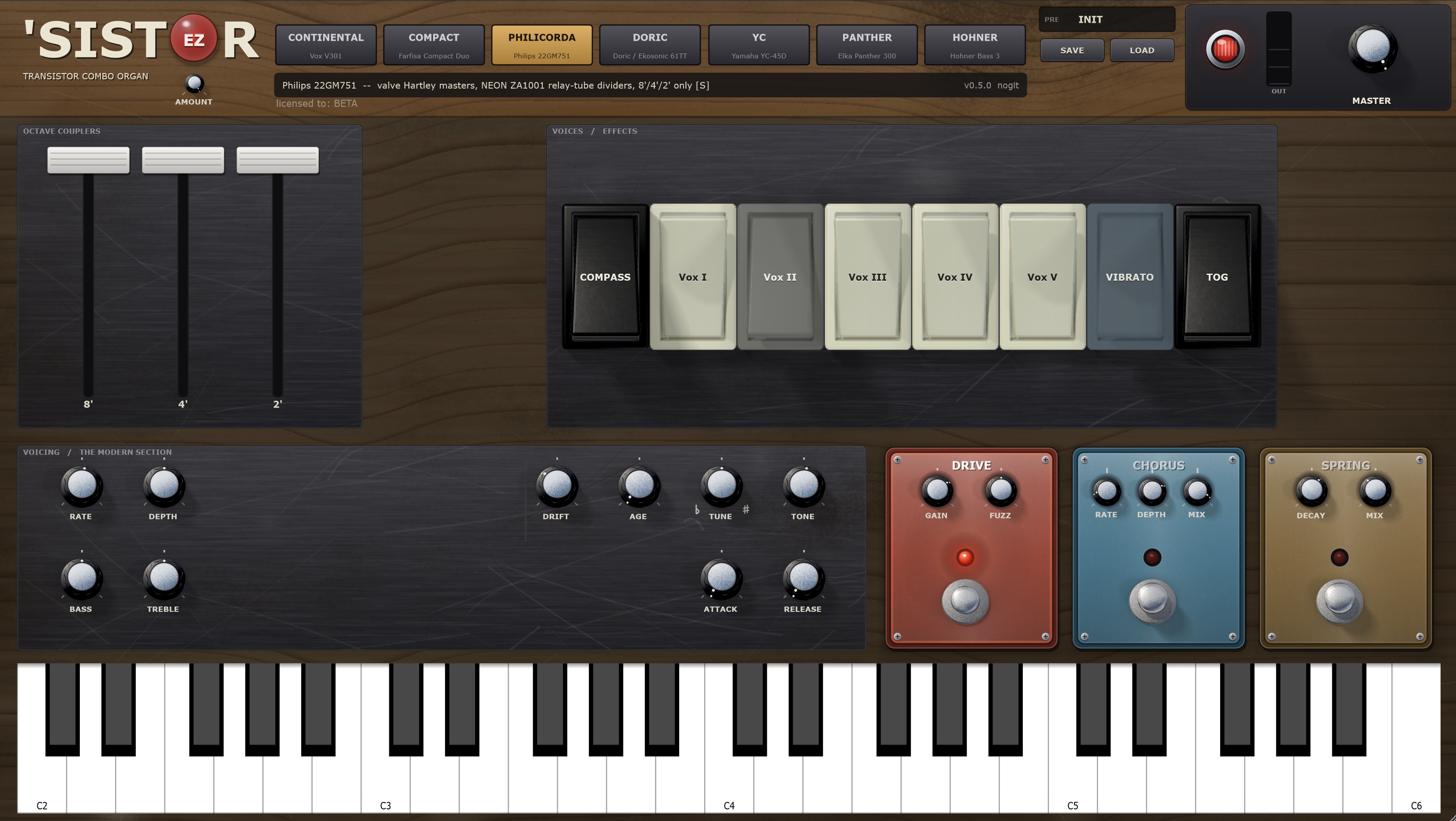 'Sistor
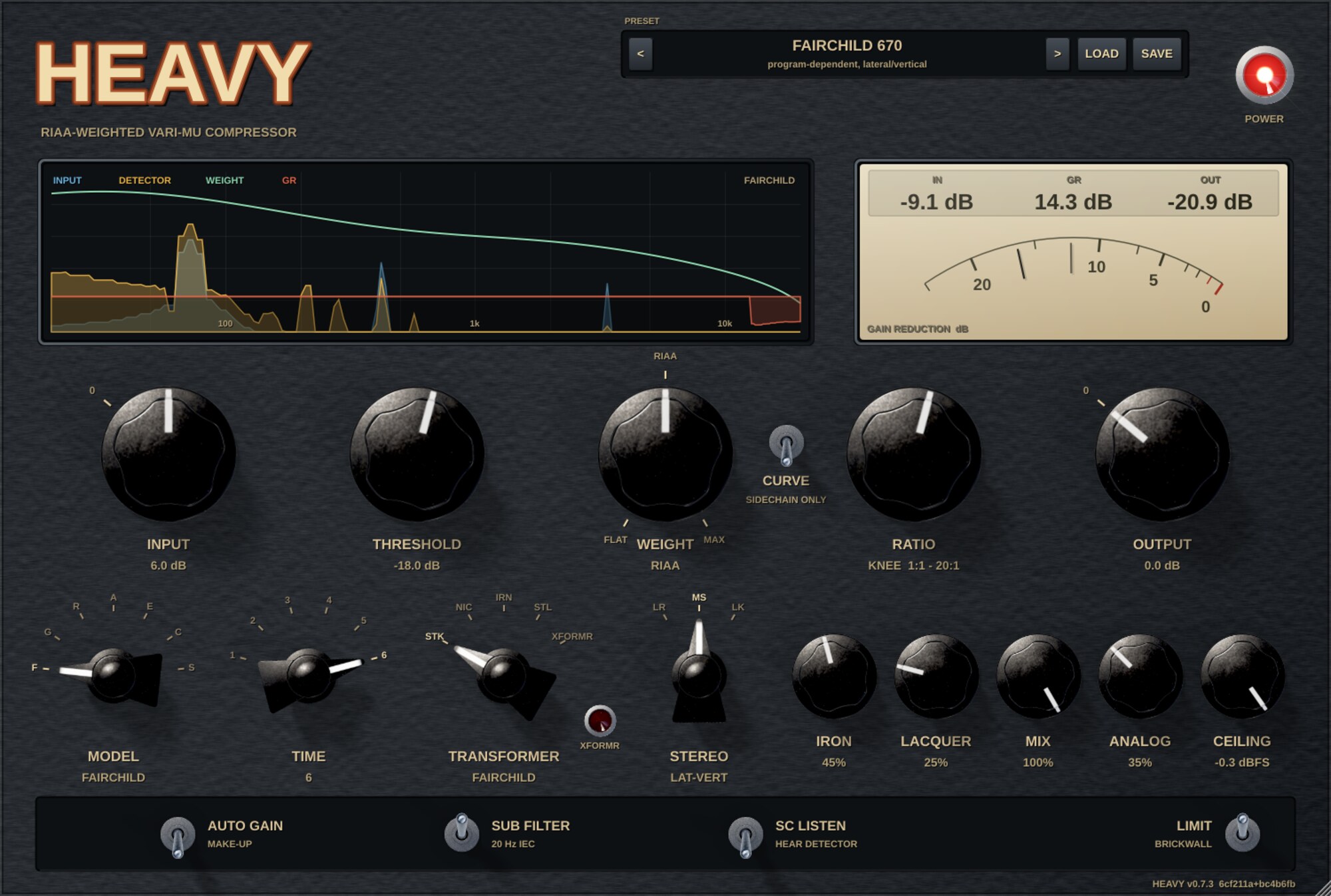 Heavy
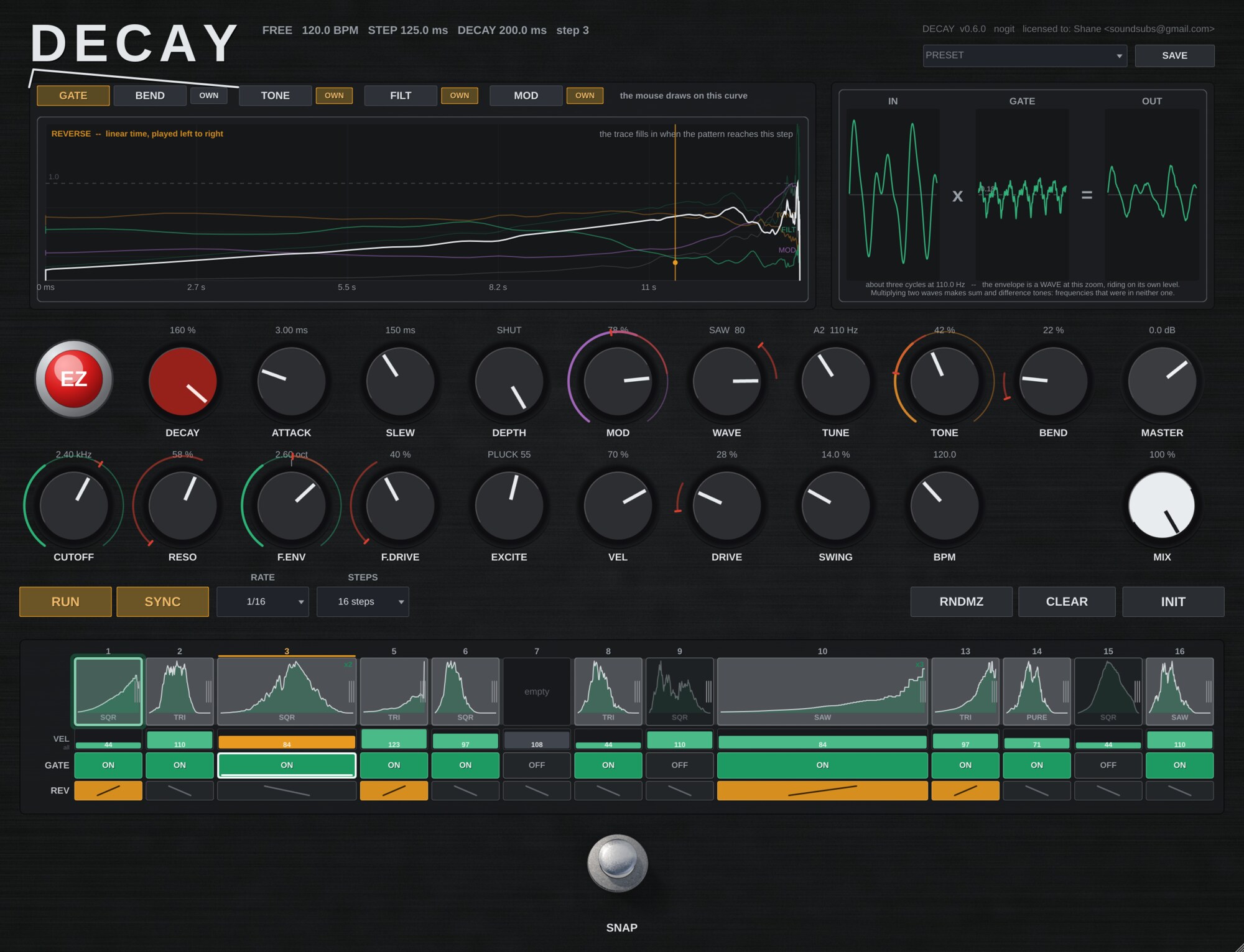 Decay
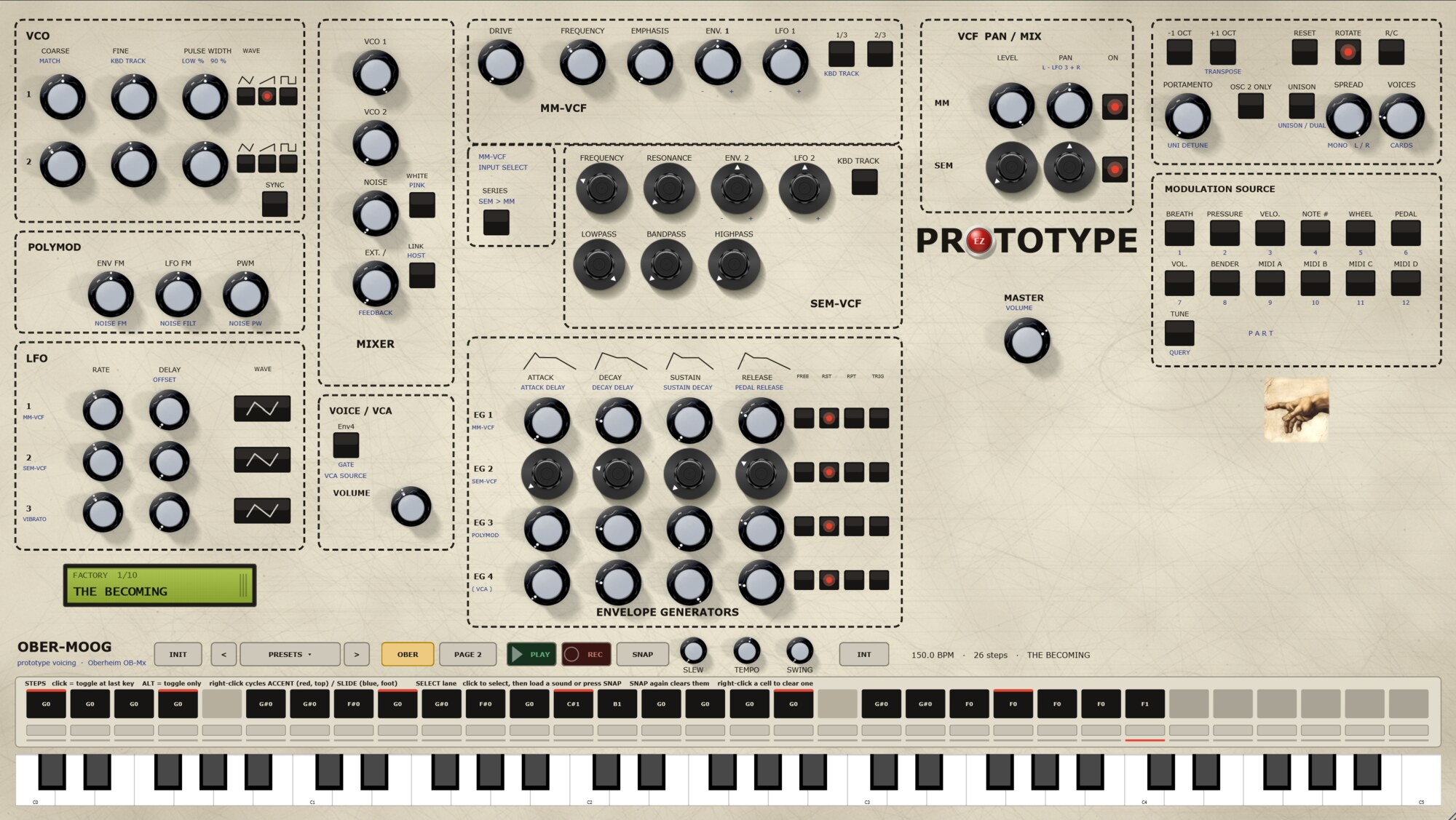 Obermoog
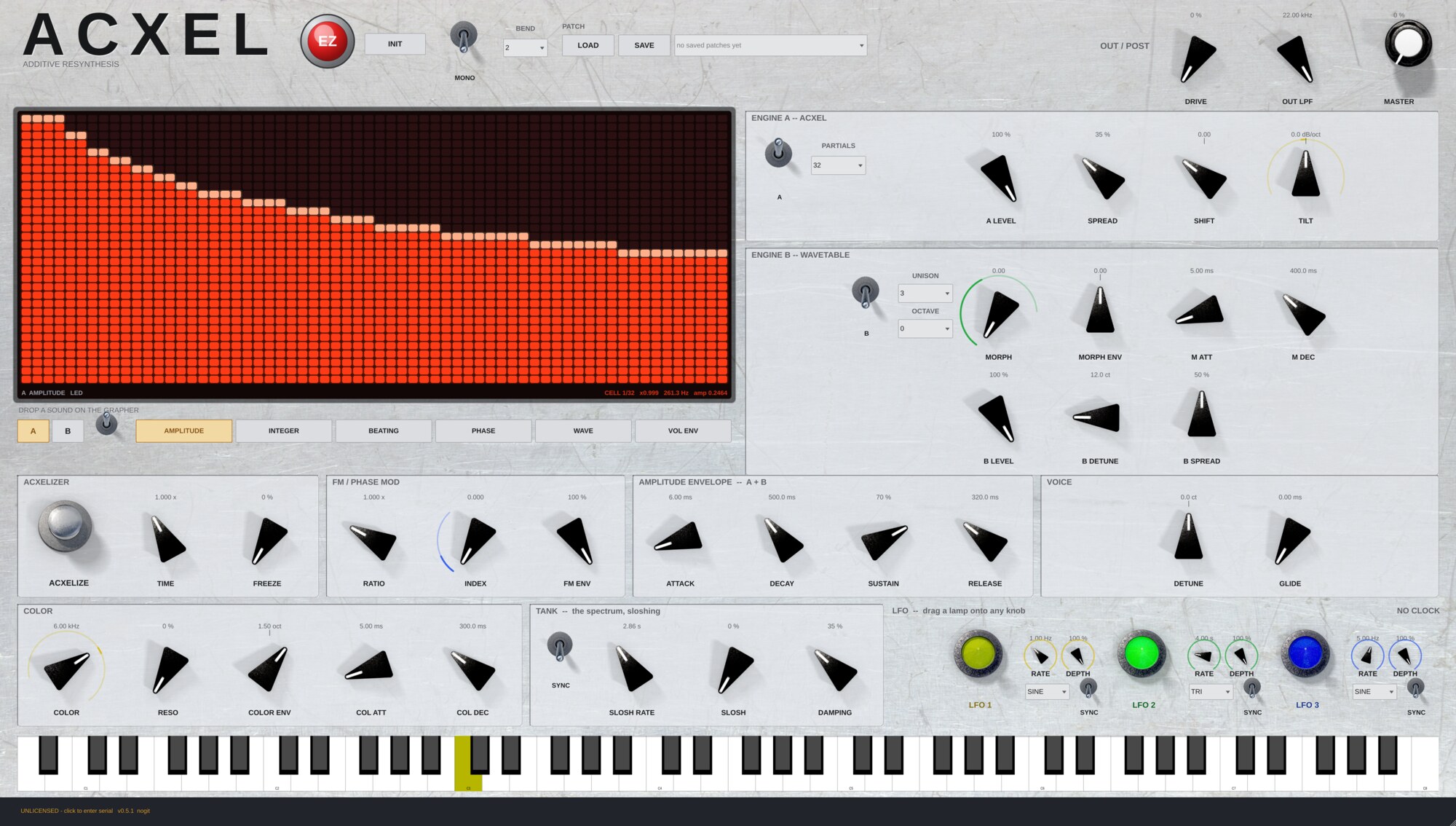 Axcel
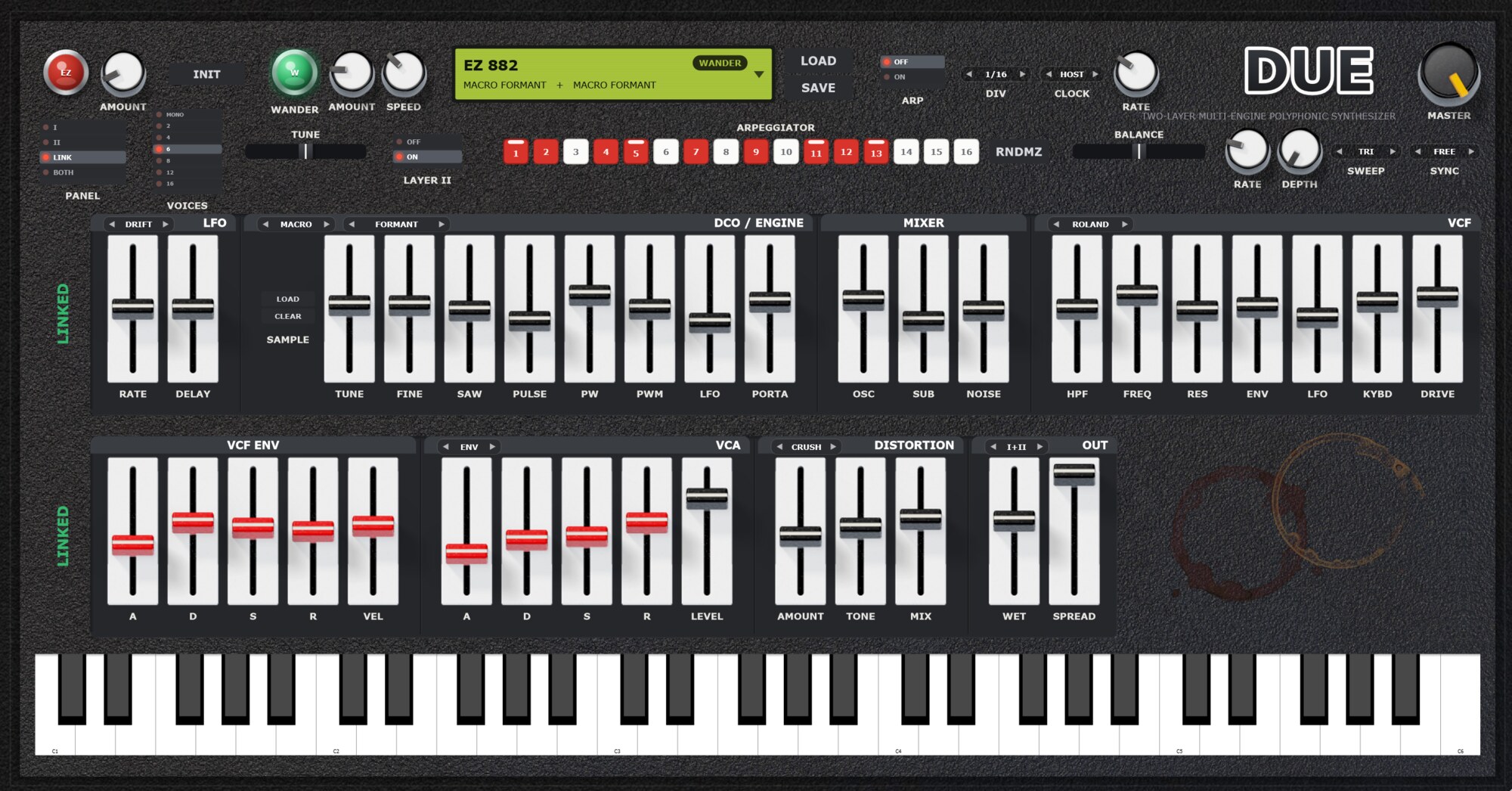 Due
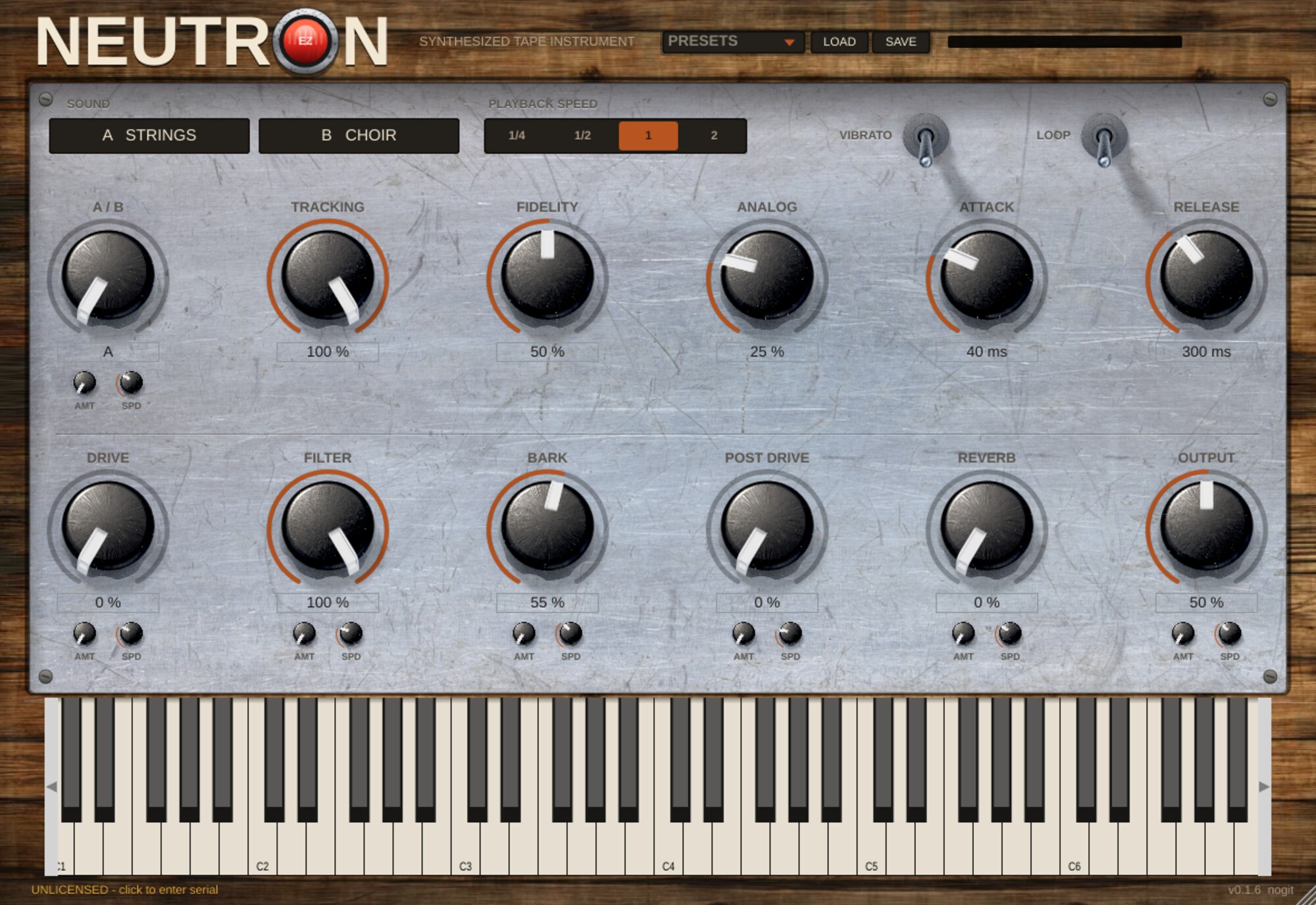 Neutron
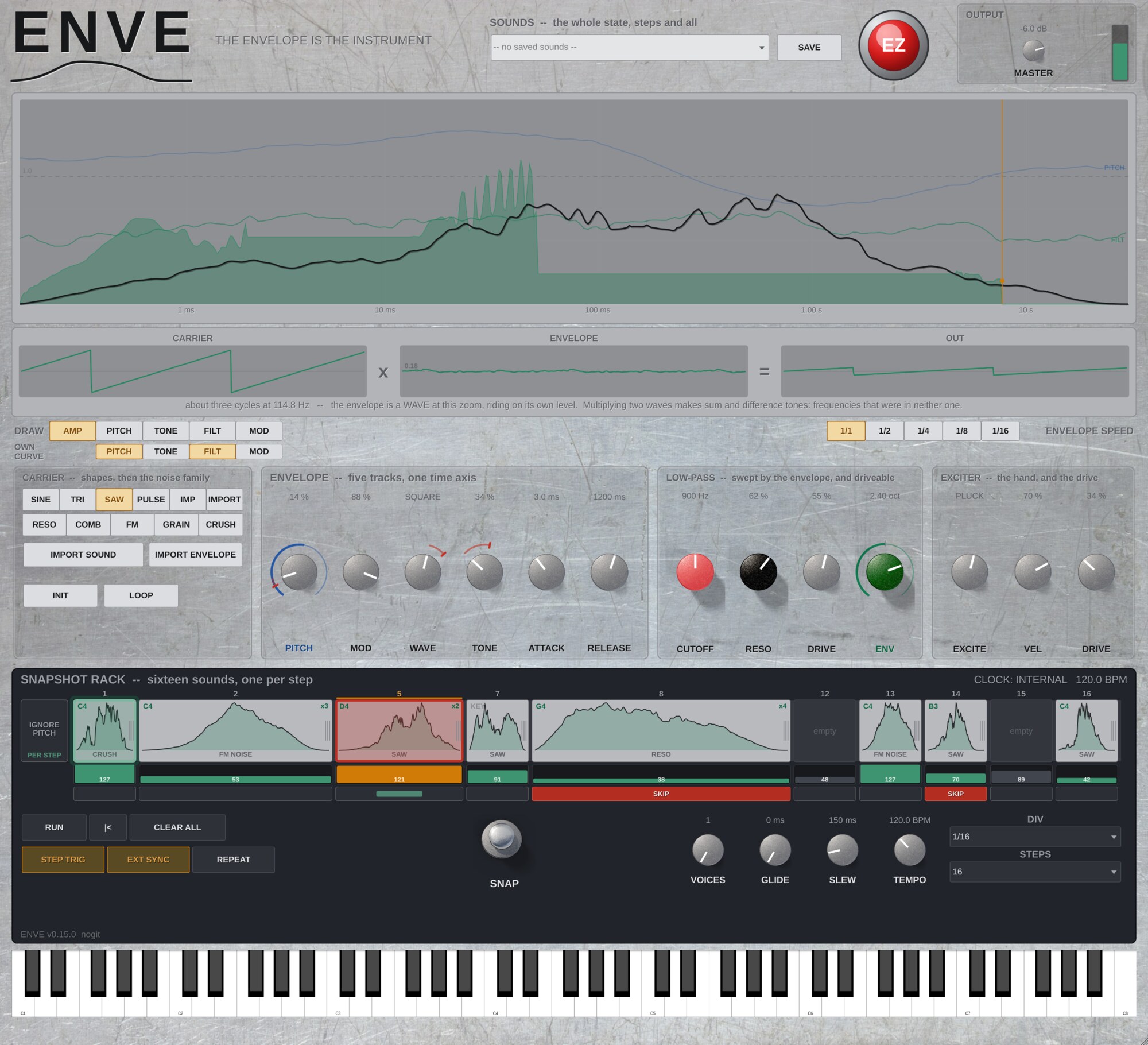 Enve
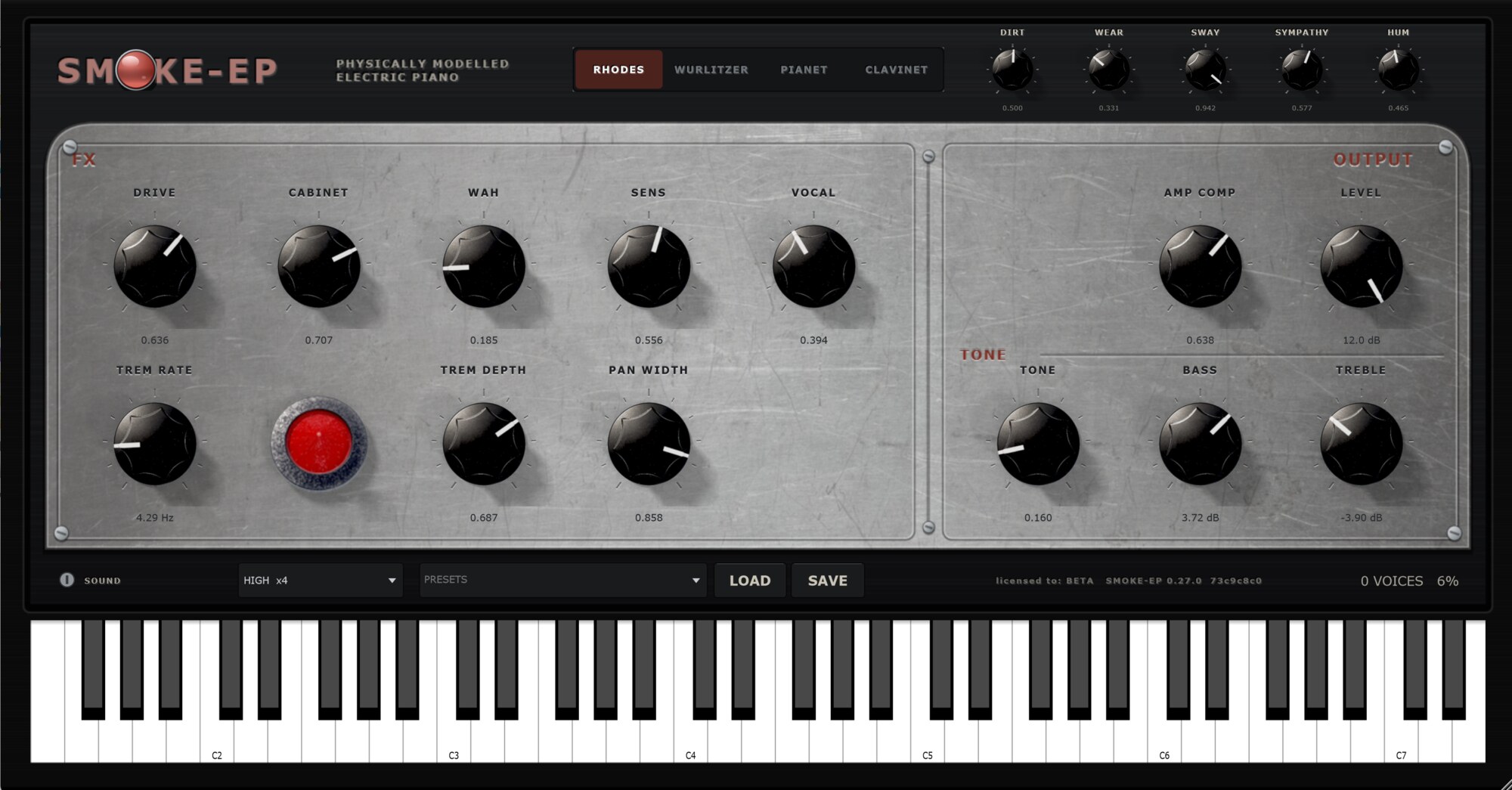 Smoke-EP
 Emax/Mirage
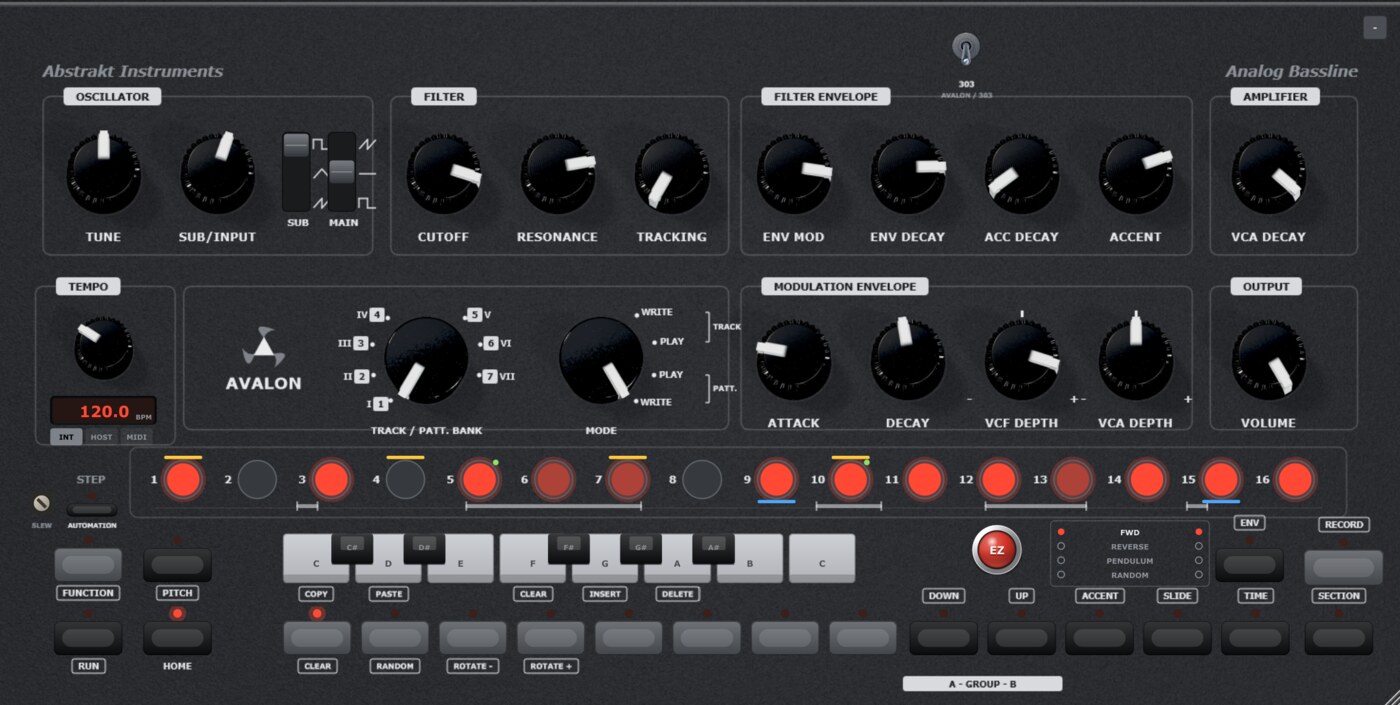 Avalon
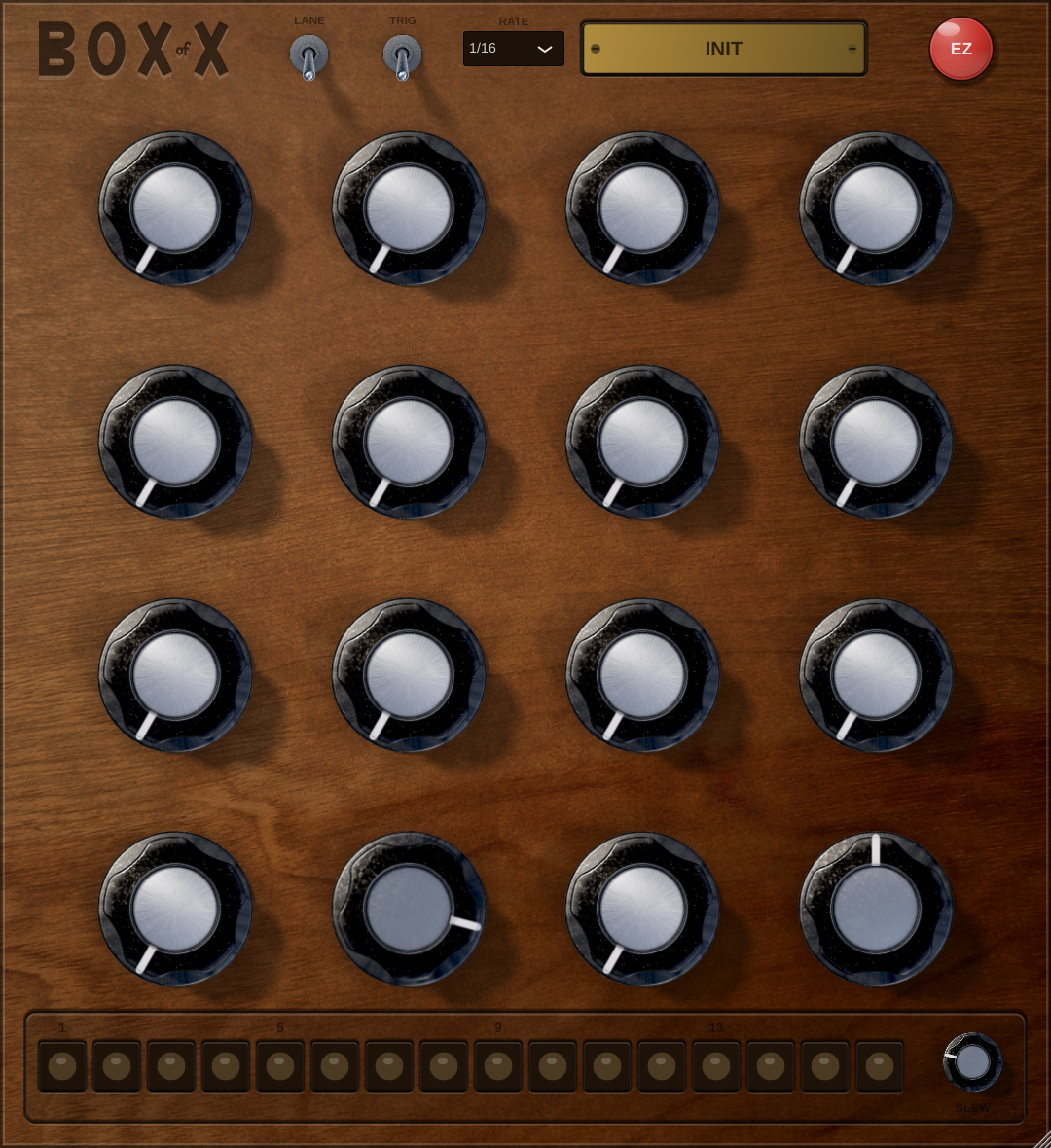 BOXofX
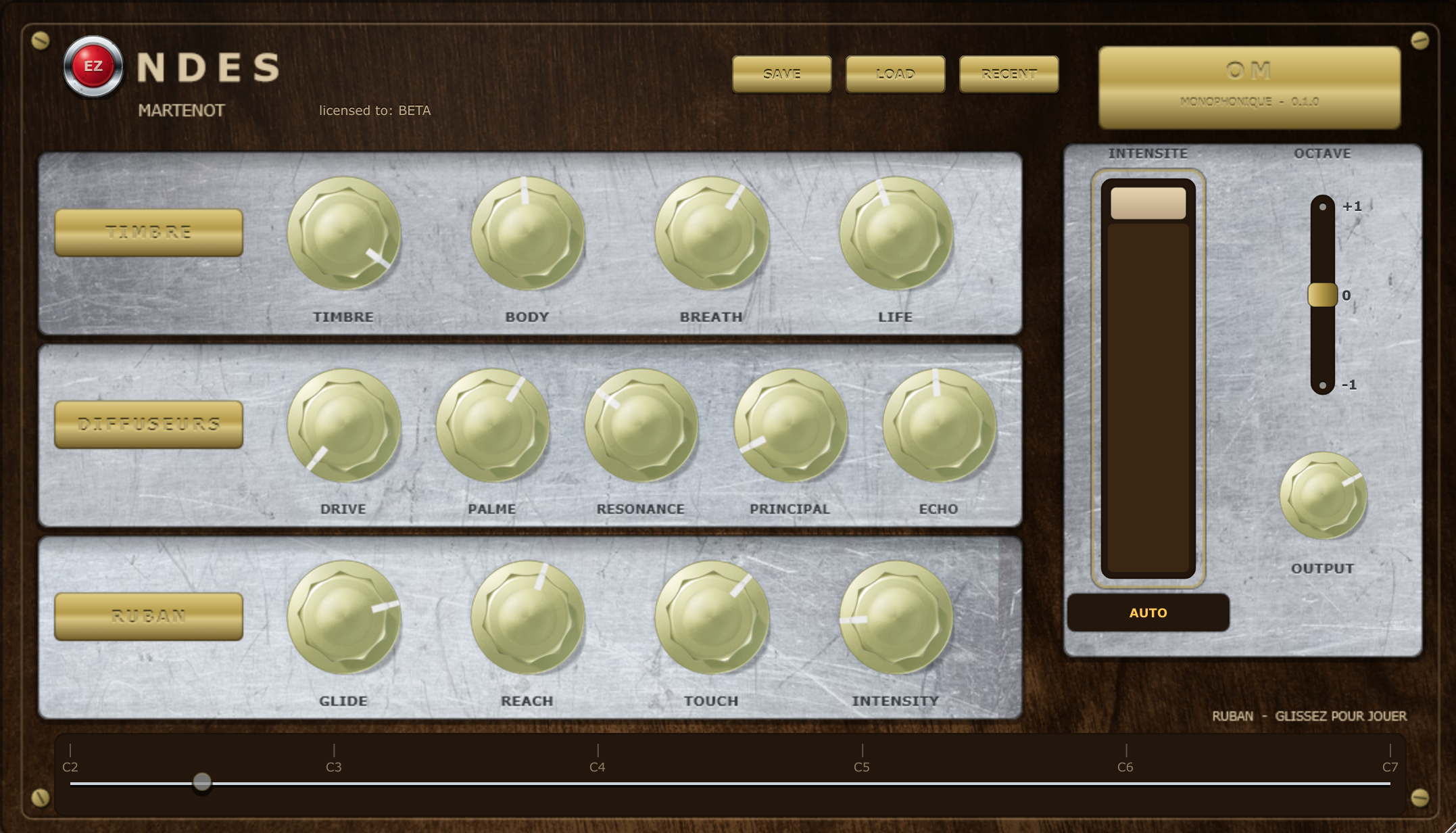 OM
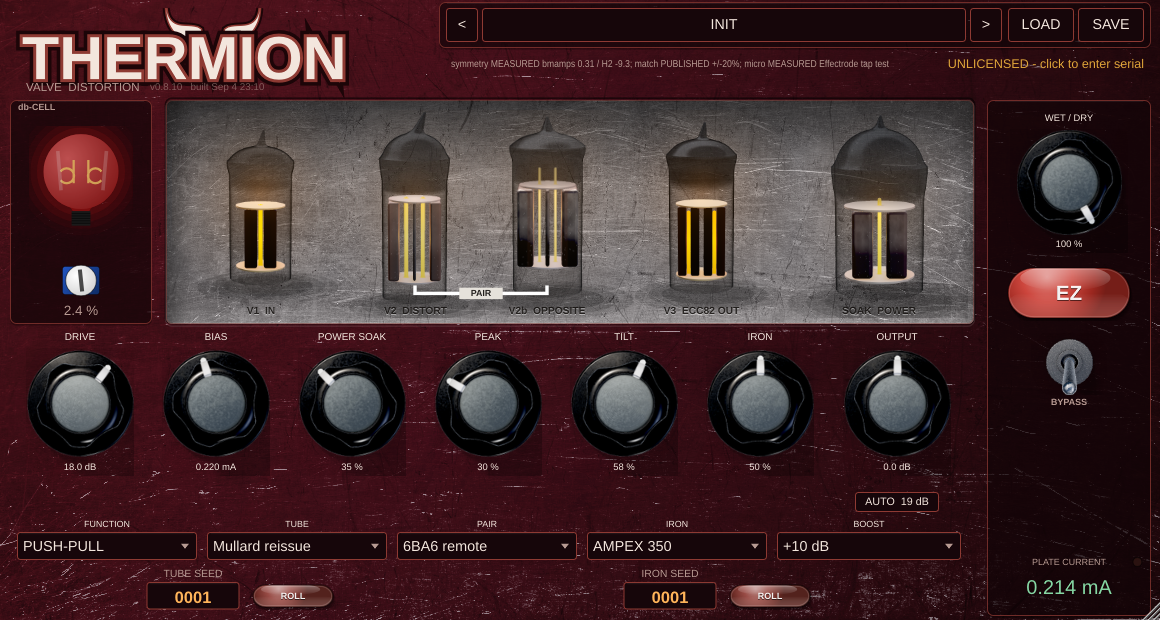 Thermion
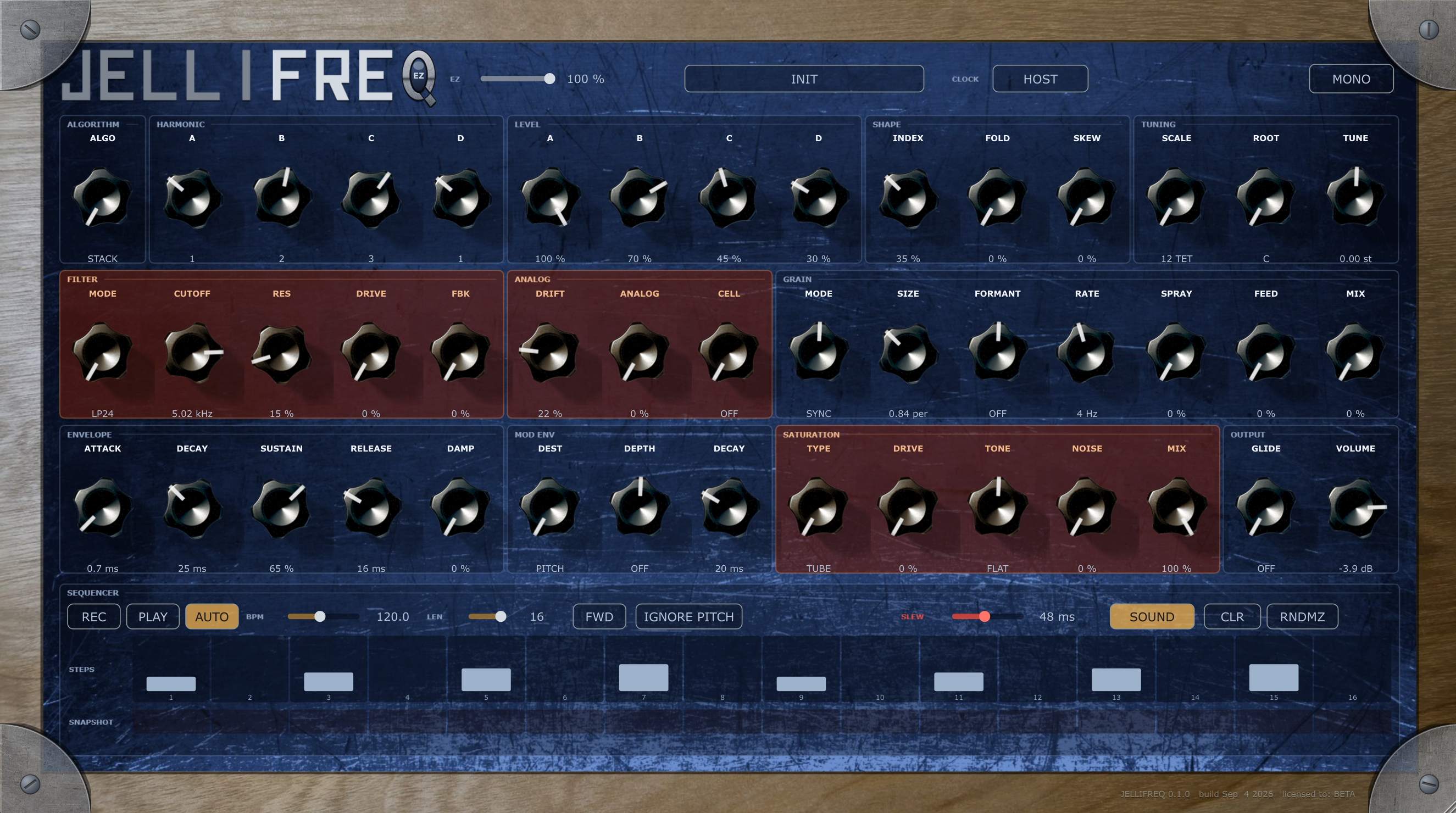 JelliFreq
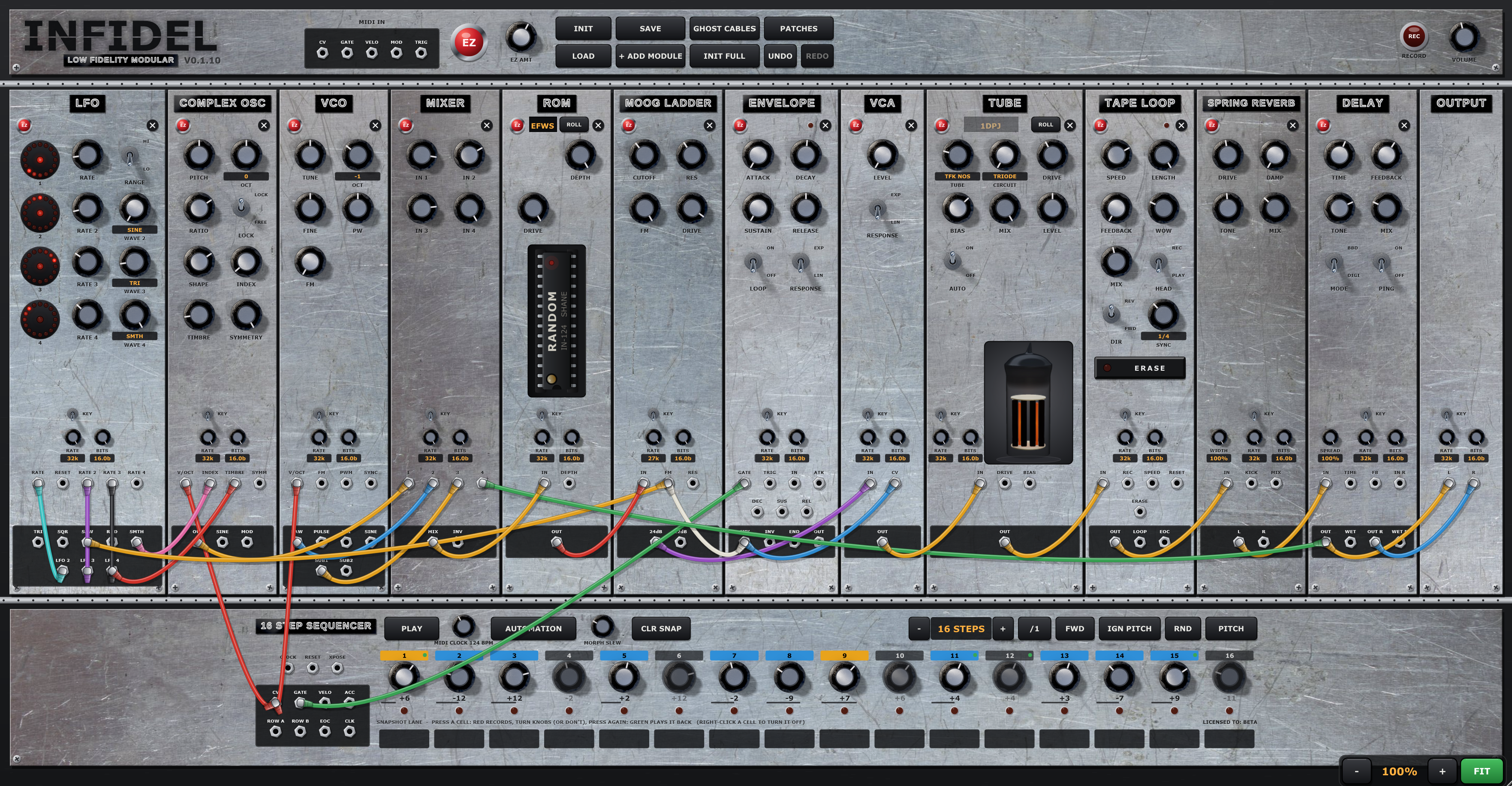 Infidel
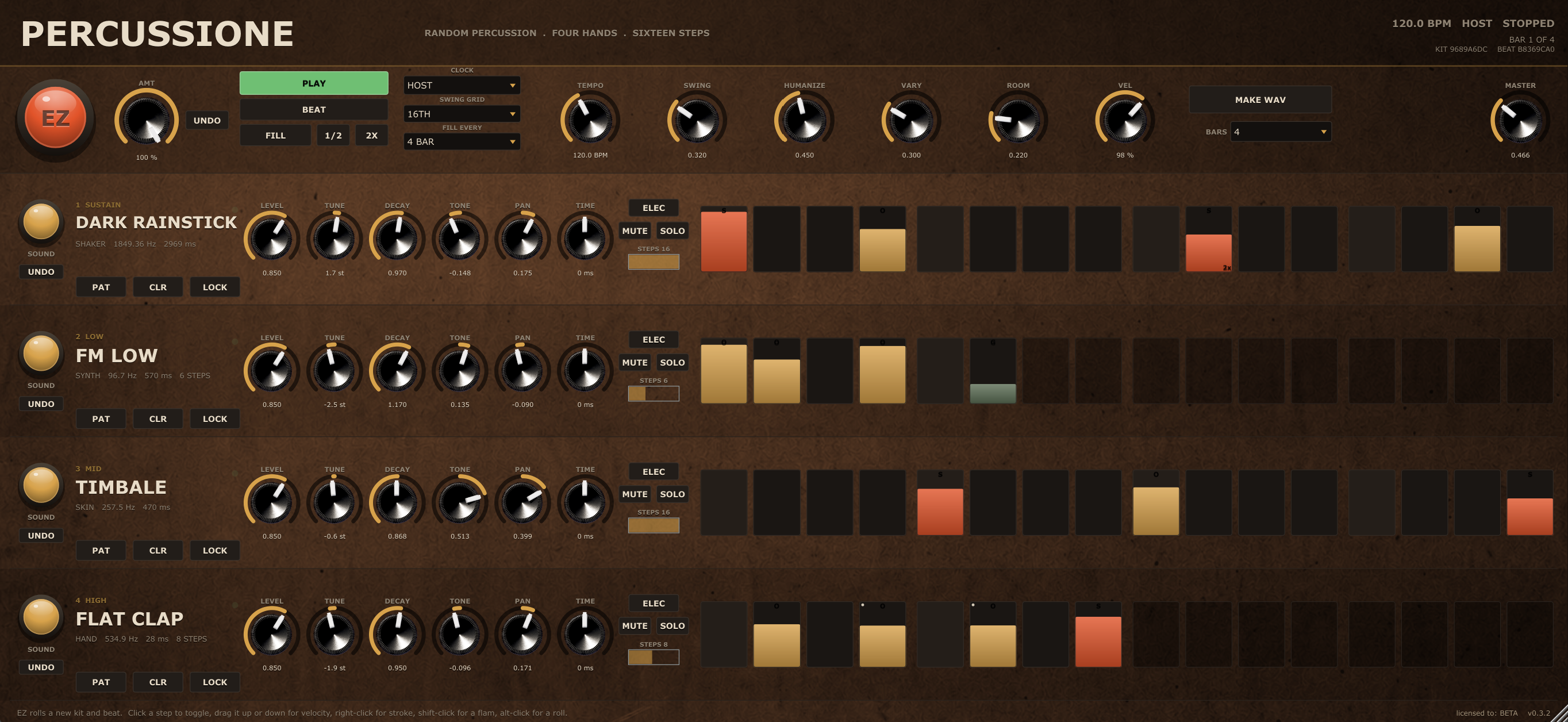 Percussione
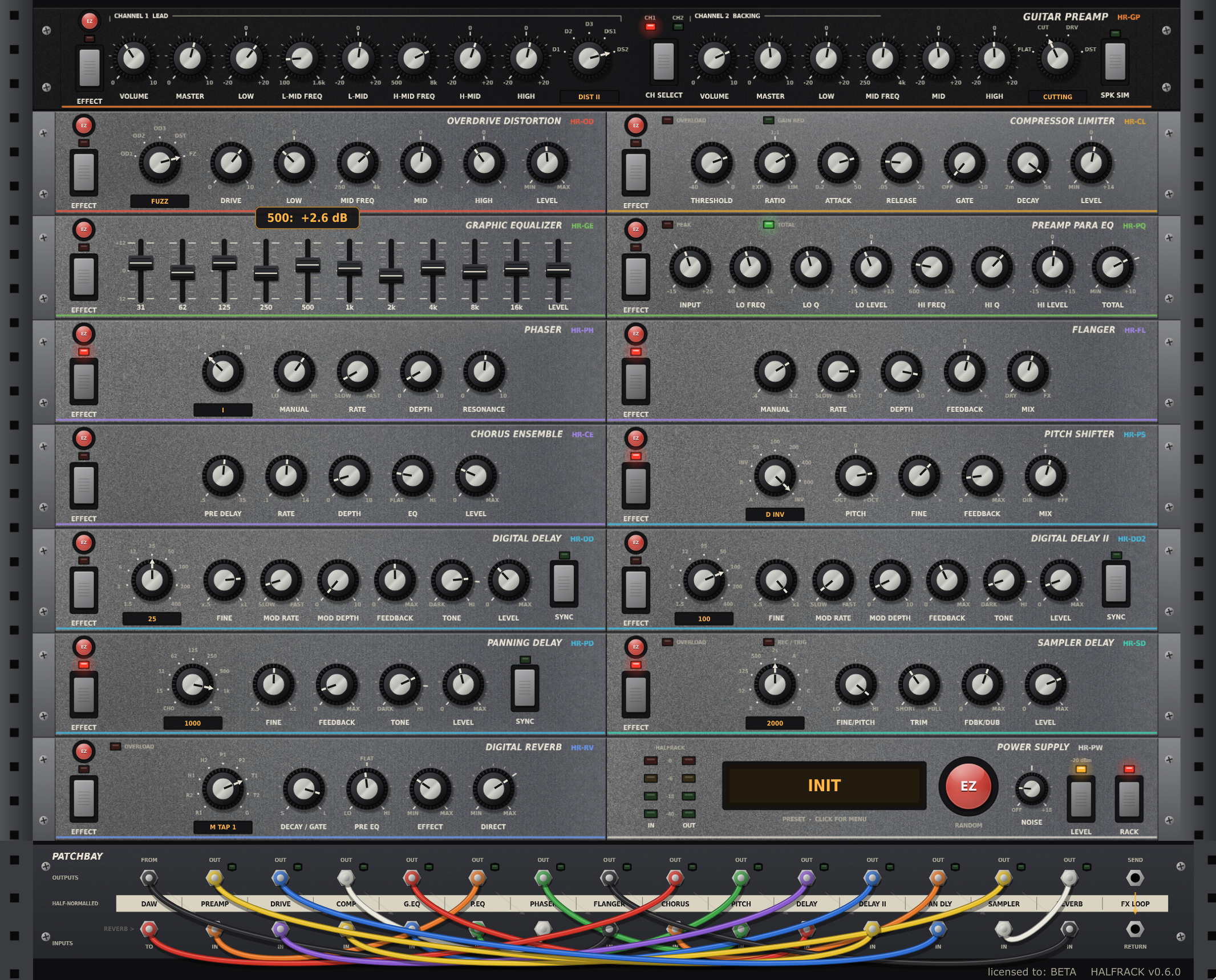 Halfrack
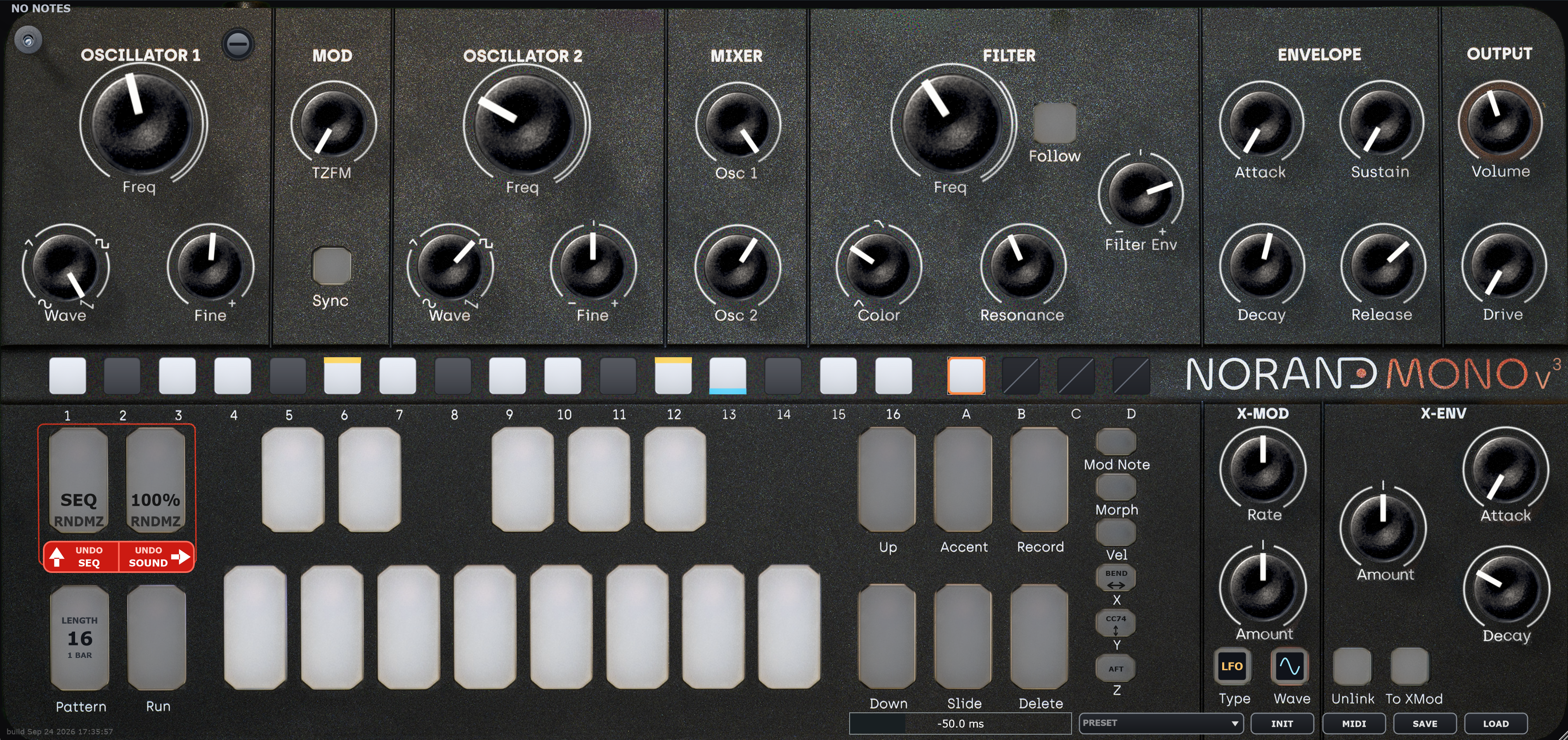 MONO V³
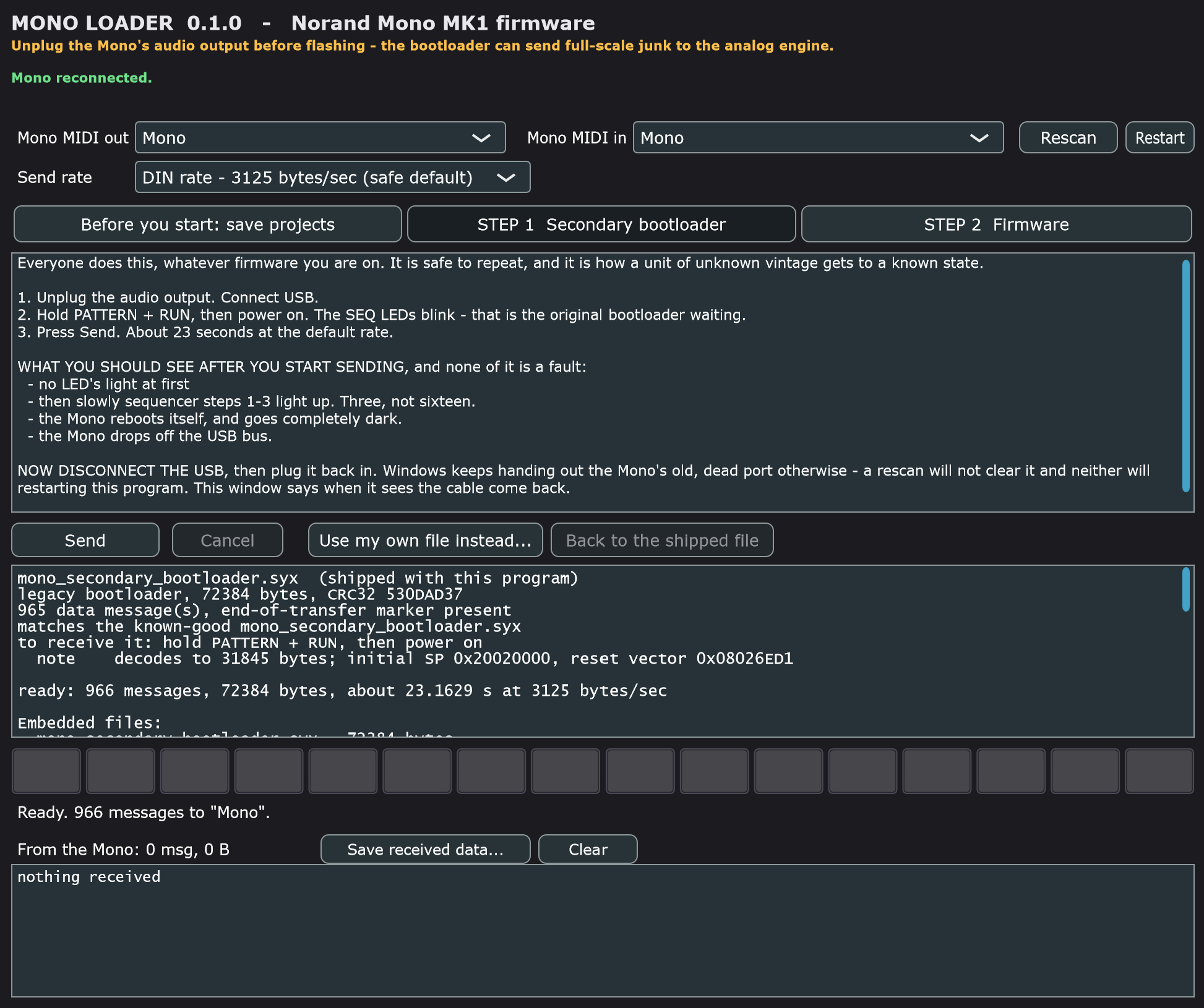 MONOLOADER
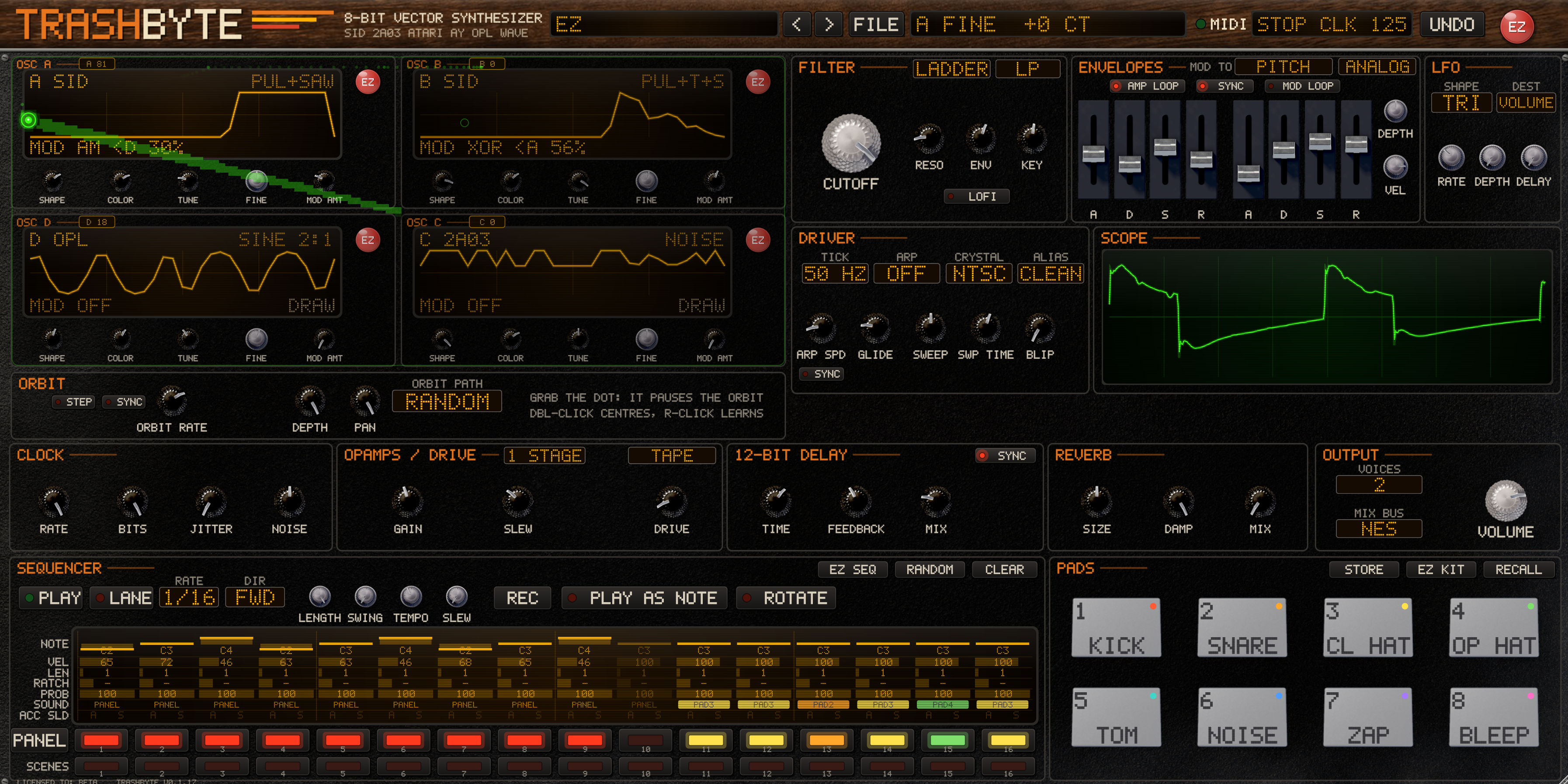 TrashByte
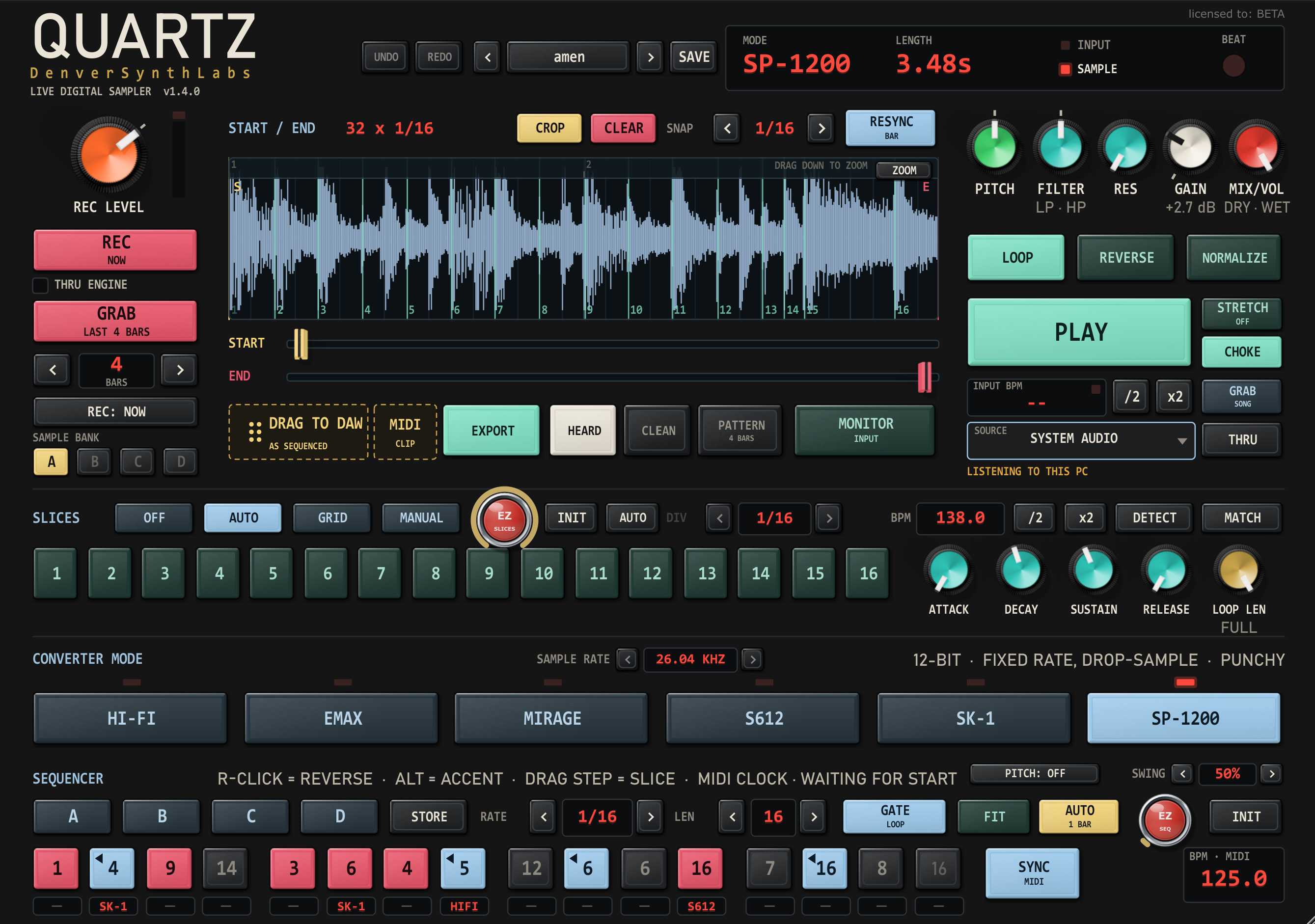 Quartz
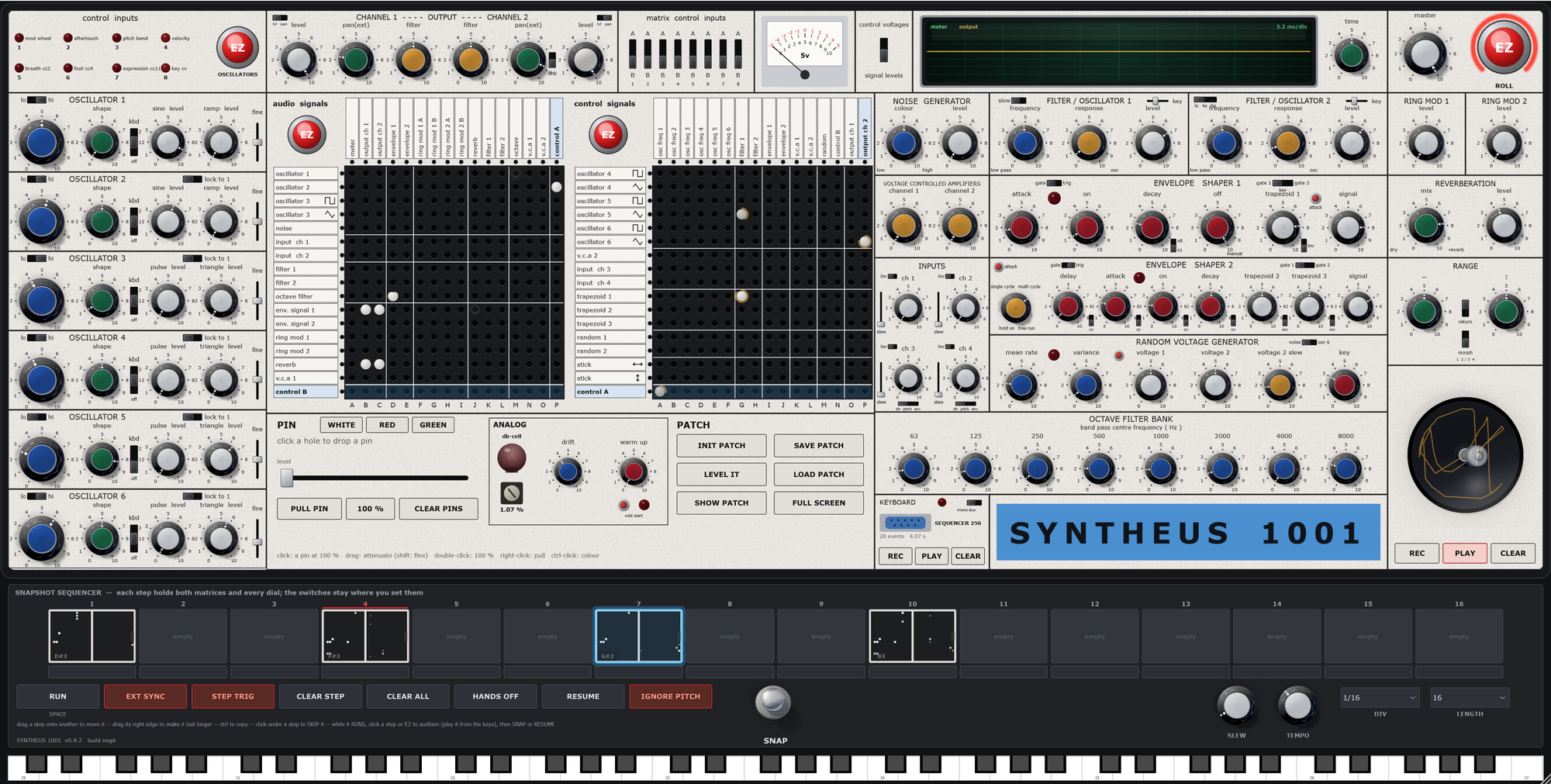 Syntheus 1001
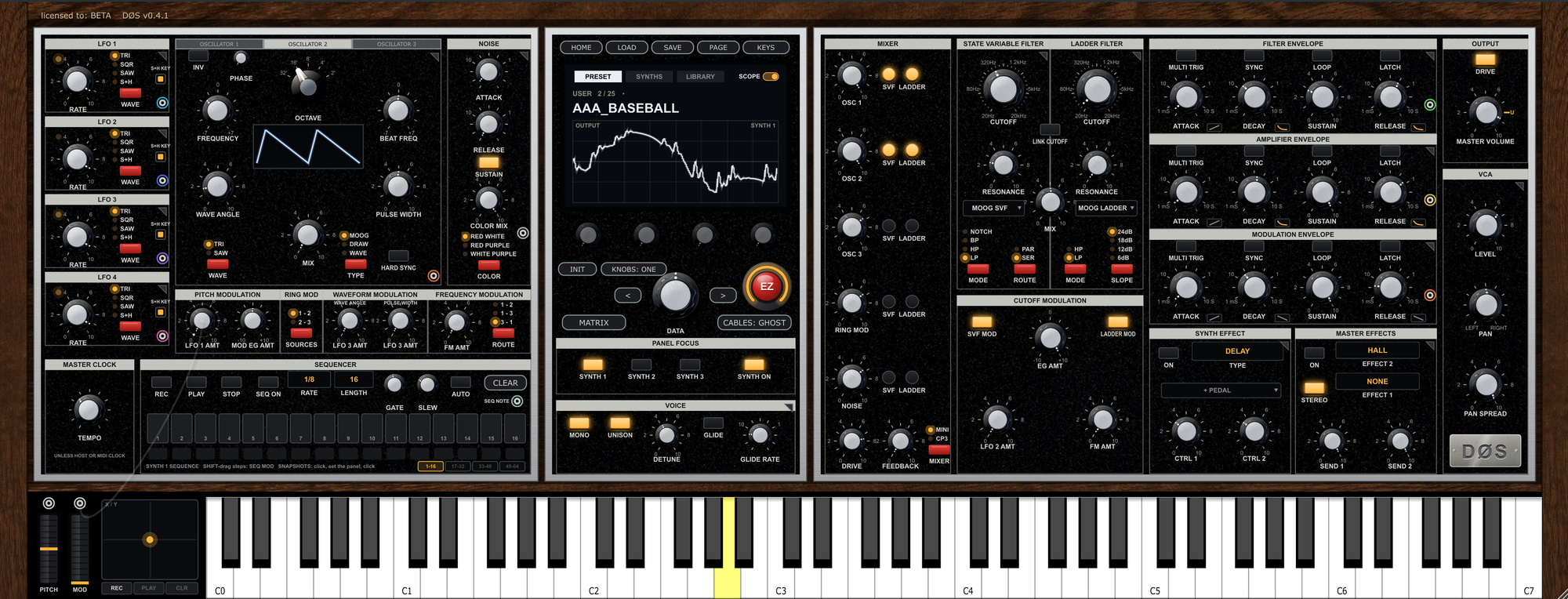 DØS
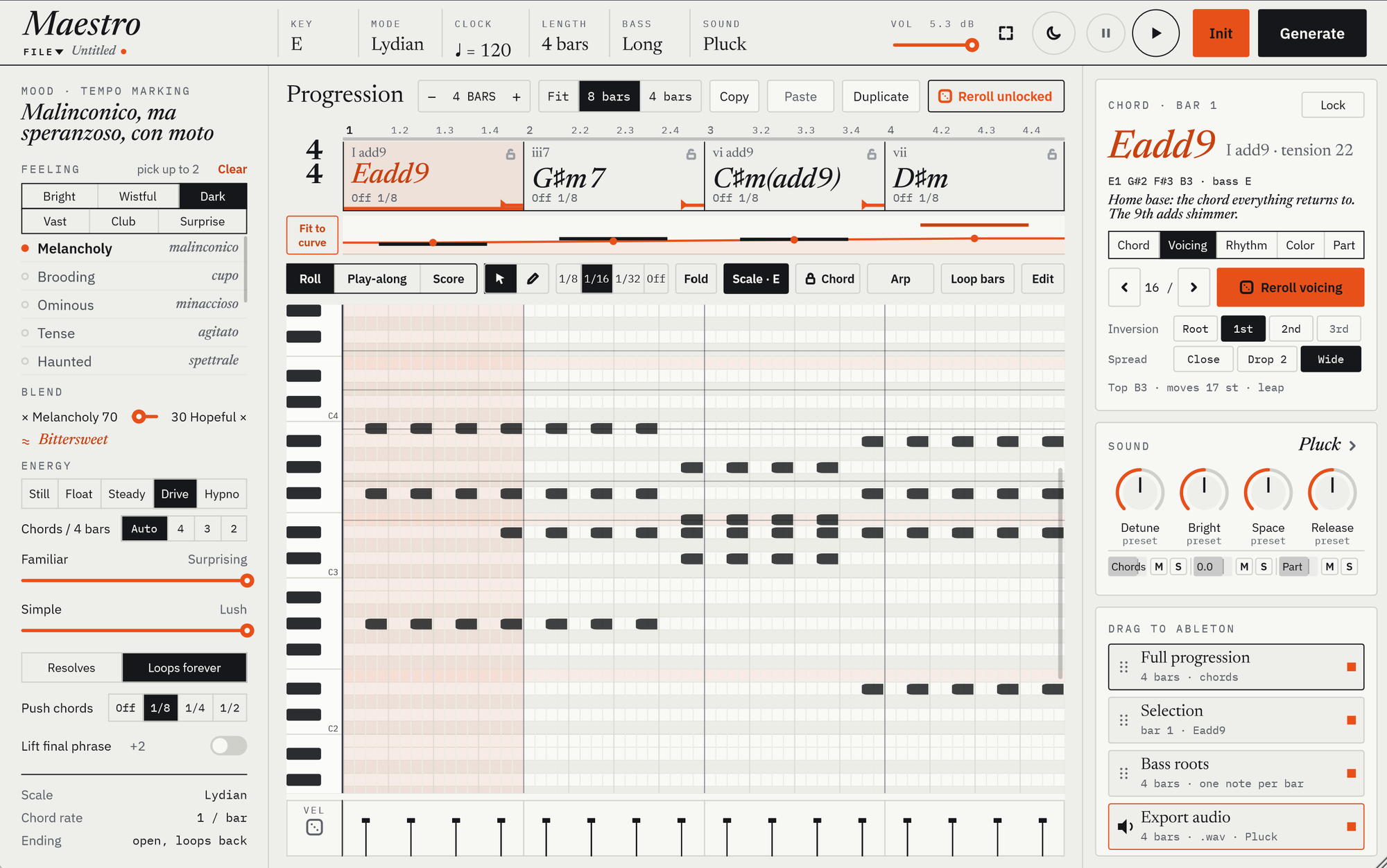 Maestro
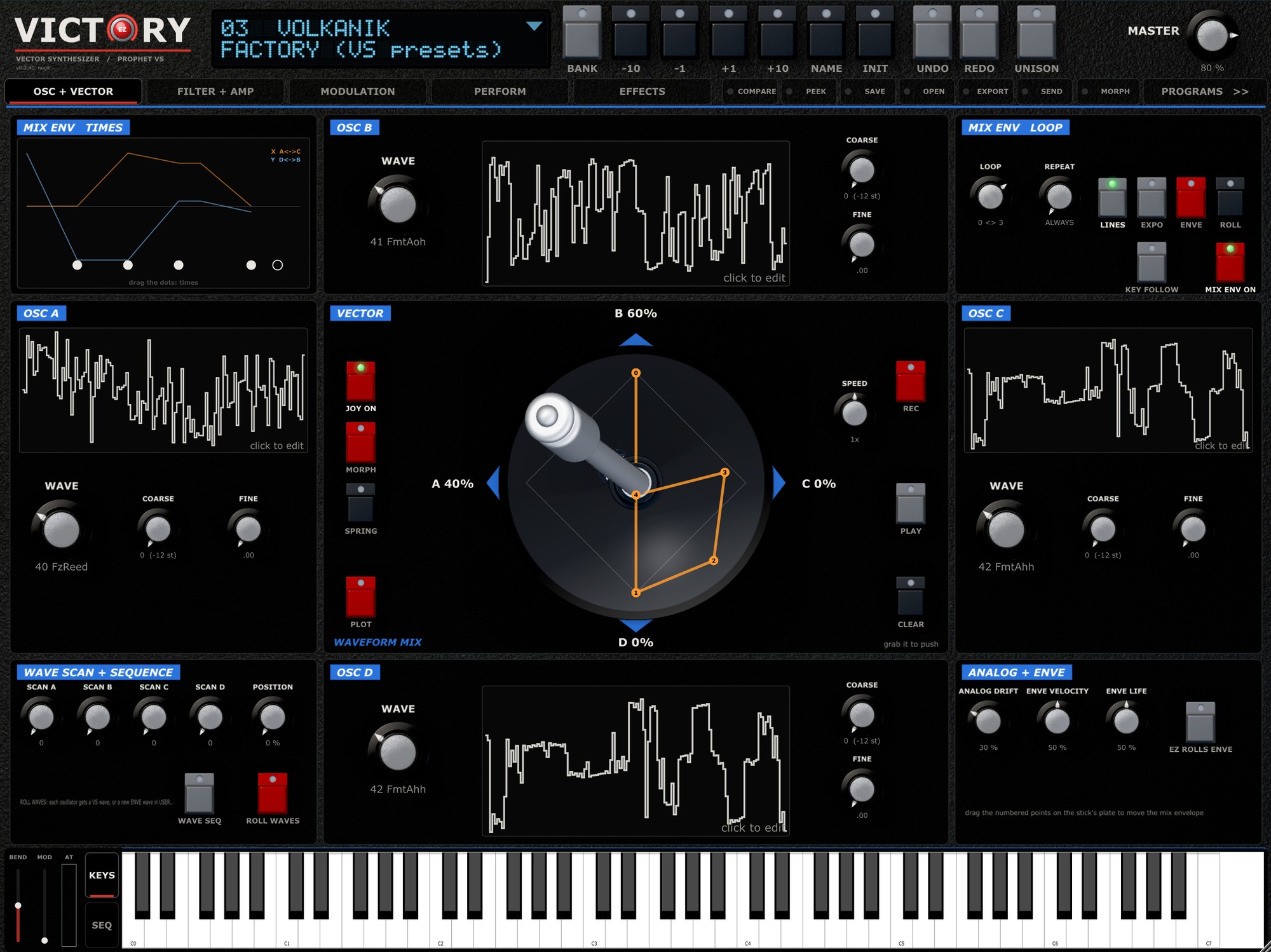 Victory
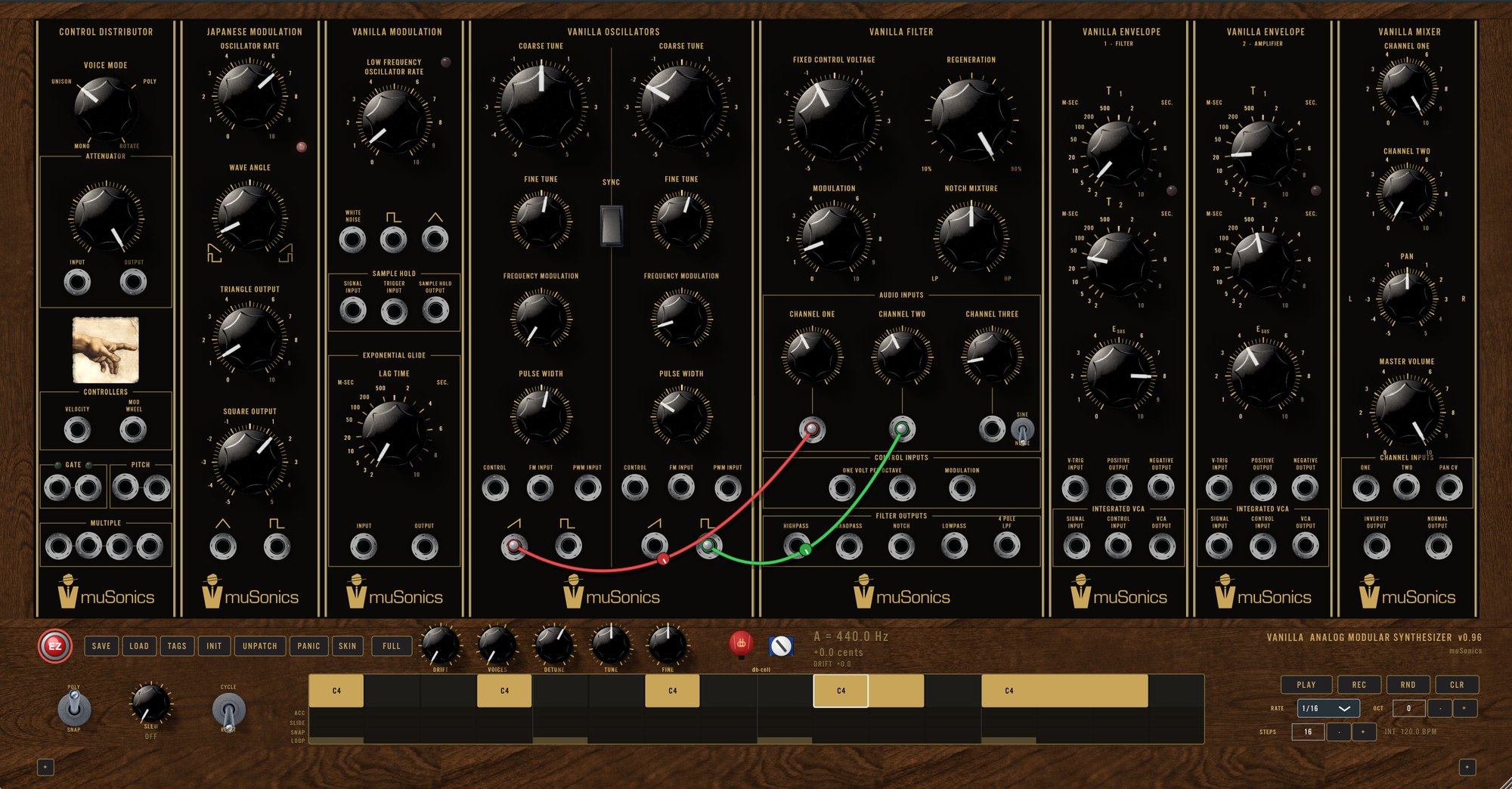 Vanilla
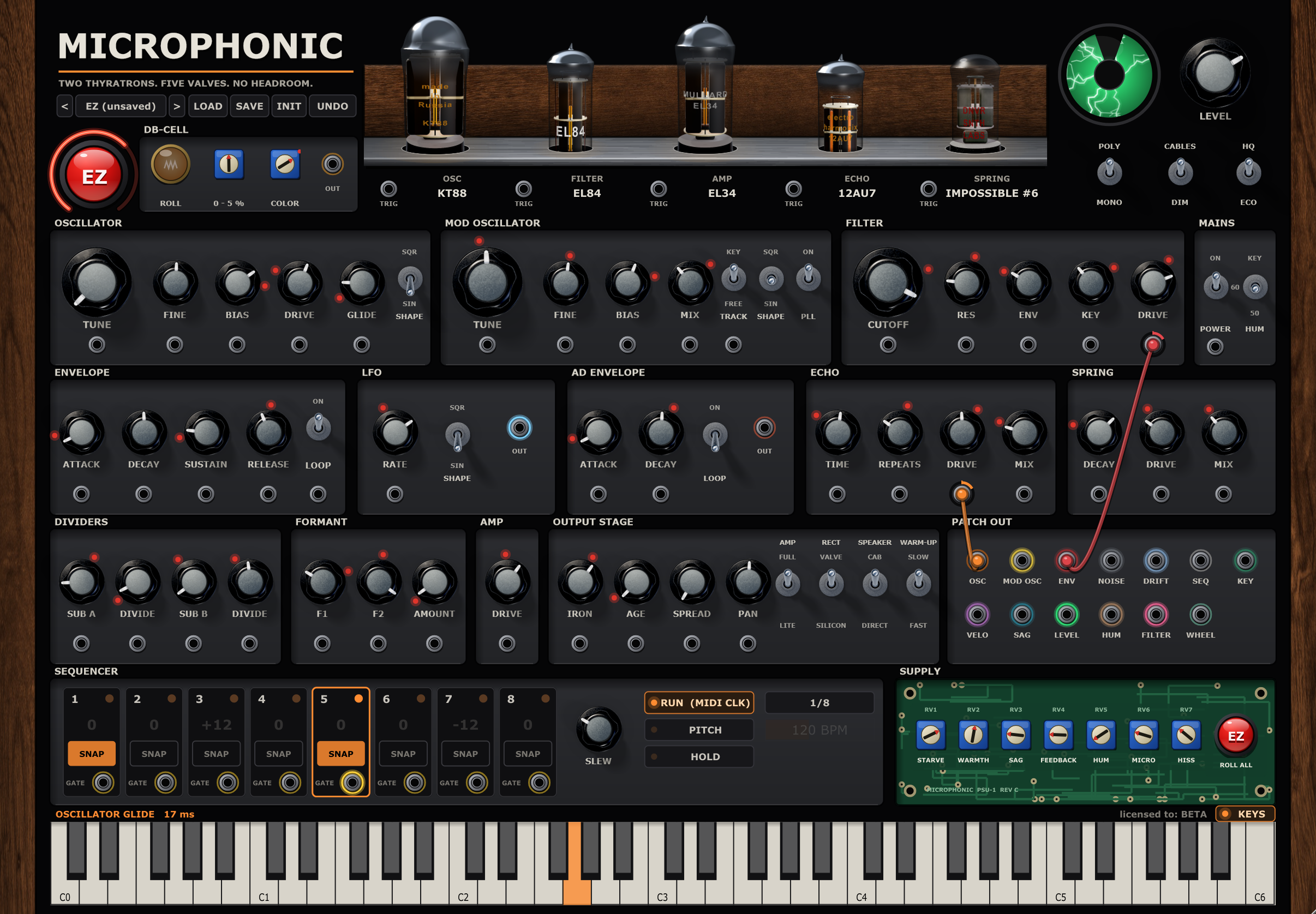 Microphonic
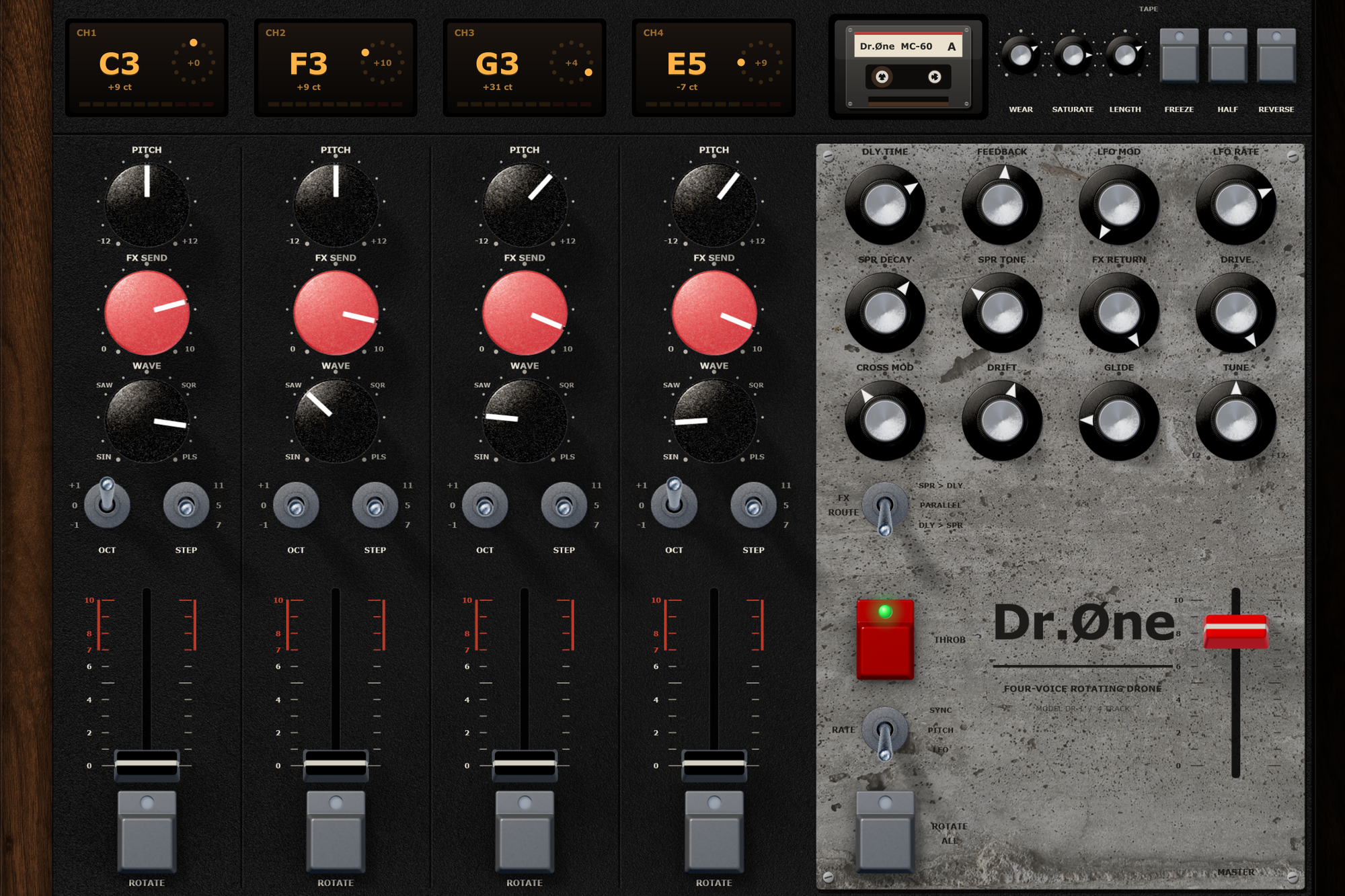 Dr.Øne
A normal step sequencer remembers which notes to play. A snapshot sequencer also remembers what the instrument sounded like, down to every knob and cable, and recalls it on each step. Use it as a plain 16-step note sequencer, or give every step its own complete sound and let SLEW decide whether the instrument melts from one into the next or smashes into it.
You do not have to touch the snapshots. Click in a 16-step pattern and play it, following your DAW’s tempo or running its own clock. That is all it takes to get a pattern going on a synth like SYNTHEUS 1001, FMATRIXBOY or VICTORY, and it is the quickest way to hear what a patch does.
Now store a sound on a step. Set up the instrument, save it to a step, change it, save the next one. Press play and the sequencer recalls the sound at each step, on every pass. In SYNTHEUS 1001 each step holds every pin and dial; in FMATRIXBOY a step holds an entire patch, all 256 pins with their amounts and the six oscillator tunings; in ENVE and DECAY the rack holds sixteen full sounds, one per step, each independently editable.
SLEW is the time the instrument takes to travel from one step’s sound to the next. In FMATRIXBOY it runs from 0 to 1000 ms. Turn it up and the whole instrument morphs slowly through the sounds, filters opening, pins fading in, tunings drifting. Turn it down and each step slams into the next, a hard cut between two completely different sounds. In between is where it gets interesting: sounds half arrived at when the next step hits.
What no hardware can touch: sequence the whole instrument.
Some of our synths treat a step as a deviation from the live panel instead of an absolute. In JELLIFREQ a snapshot lane has two modes: MORPH plays a step as a deviation from the live panel, and SOUND plays a step’s exact patch, which is right for building a kit one sound at a time. In BOXofX, scenes are deviations from the live panel, so your hands always win.
Snapshot sequencing, in the form each instrument needs, is in: